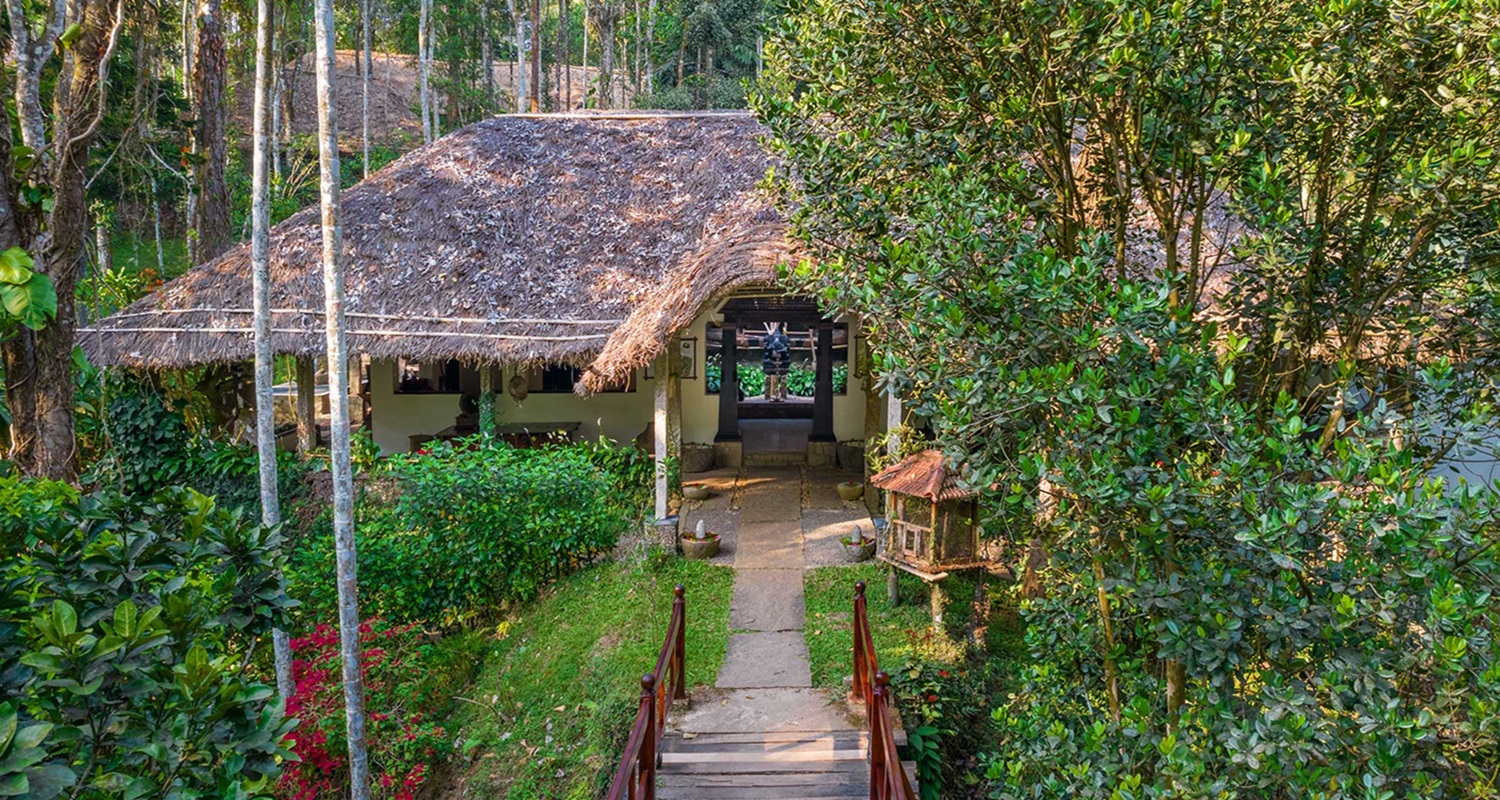
South India
Classical South India – Tamilnadu & Kerala
NotIncluded
INR Per Person
3 stars
Travel Duration
9 Days / 8 Nights
Included in the trip




Individual departures
Discover the soul of South India on this immersive journey through the culturally rich states of Tamil Nadu, and the lush landscapes of Kerala. This thoughtfully designed itinerary blends history, spirituality, nature, and local experiences into one unforgettable travel story.
Your journey begins in Tamil Nadu, the cultural heartland of South India, where ancient Dravidian temples, colonial influences, and vibrant traditions come alive. Explore iconic destinations such as Chennai, Mahabalipuram, and Madurai, where intricately carved temples and UNESCO-listed monuments reflect centuries of architectural brilliance and devotion. The region is known for its sacred cities, artistic heritage, and deeply rooted traditions that offer a glimpse into India’s spiritual essence.
As the journey continues into Kerala—fondly known as “God’s Own Country”—the landscape transforms into a serene paradise of backwaters, misty hills, and spice plantations. Experience the tranquil charm of destinations like Munnar, Thekkady, and Alleppey, where rolling tea gardens, wildlife sanctuaries, and houseboat cruises create moments of pure relaxation. Kerala’s natural beauty, combined with its Ayurvedic traditions and warm hospitality, offers a refreshing contrast to the temple towns of Tamil Nadu.
Throughout the tour, travelers experience a diverse tapestry of landscapes—from sun-kissed coastlines and ancient temple towns to cool hill stations and lush forests. This itinerary is ideal for those seeking a comprehensive South Indian experience, combining cultural exploration, scenic beauty, and authentic local encounters.
Whether it’s witnessing temple rituals, cruising through backwaters, or exploring heritage cities, this journey promises a perfect balance of discovery and relaxation—making it one of the most enriching ways to experience the essence of South India.
Stages Of Tour
Day 1
ARRIVAL IN CHENNAI & SIGHTSEEING
Welcome to Chennai, The Capital of southernmost State of India. Your flight would land at Meenambakkam Airport. After landing kindly head towards the immigration department and get your passport stamped. Immigration Department would stamp the Visa on your Passport. After the Immigration and Custom check Kindly Take an Exit from the Airport. My Tour Advisor’s representative would be waiting for you to welcome you outside the Exit Gate.
Chennai, the capital of Tamil Nadu, is a city where ancient heritage meets colonial history and modern vibrancy. Formerly known as Madras, the city’s origins trace back to 1639 when the British East India Company established a trading post and built Fort St. George, marking the beginning of British influence in South India. However, Chennai’s history stretches much deeper — the region was once part of the powerful Pallava, Chola, and Vijayanagara empires, each leaving behind magnificent temples and architectural marvels. Over centuries, Chennai grew into a vital port city, blending Tamil culture, Dravidian art, and European charm. Today, it stands as a proud reflection of India’s colonial past and cultural richness, where classical music, ancient temples, and colonial structures coexist harmoniously. From its historic fort to the timeless beauty of Marina Beach, Chennai narrates a story of resilience, tradition, and transformation through time.
After the Meet Proceed towards the Visit of the capital of Tamilnadu, starting with Government Museum Chennai, The Government Museum in Chennai, popularly known as the Madras Museum, is a prestigious cultural and historical institution located in Egmore. Established in 1851, it is the second oldest museum in India and one of the most significant in South Asia. Spread over 16 acres, the museum complex consists of several buildings and 46 galleries, showcasing a vast range of exhibits covering archaeology, anthropology, numismatics, geology, zoology, botany, and art. The museum is renowned for its exceptional collection of Chola bronzes, especially the bronze Nataraja, considered among the finest in the world. Its Archaeology and Numismatics Galleries feature rare coins, stone sculptures, and ancient relics, while the National Art Gallery houses exquisite Rajasthani, Mughal, European, and modern Indian paintings, including masterpieces by Raja Ravi Varma.
Afterwards visit ST Thomas Church, also known as Santhome Church, is one of the most significant Christian landmarks in India, located in Chennai, Tamil Nadu. Built over the tomb of St. Thomas the Apostle, one of Jesus Christ’s twelve disciples, it is one of only three churches in the world (alongside ones in Rome and Santiago) believed to be built over the remains of an apostle.
Originally constructed by Portuguese missionaries in 1523, the current structure was rebuilt by the British in Neo-Gothic style in 1896. The church features a striking white façade, a 137-foot high spire, stained glass windows, and beautiful wooden interiors. Beneath the altar lies the shrine of St. Thomas, where his mortal remains are believed to be interred. The site also includes a museum showcasing artifacts related to the Apostle’s life and legacy in India. A revered site for pilgrims and history lovers, Santhome Church is both a spiritual and architectural gem of Chennai.
Later Visit Marina Beach in Chennai, Tamil Nadu, is India's longest and the world's second-longest urban beach, stretching approximately 13 kilometers along the Bay of Bengal. Renowned for its golden sands and vibrant atmosphere, it attracts thousands daily for walks, kite flying, and local street food. Landmarks like the Triumph of Labour statue and the Chennai Lighthouse adorn its promenade. the beach is a cultural and recreational hub, especially during evenings and festivals
After the visit you shall be transferred to your Hotels for check-in. Overnight Stay in Chennai.
Day 2
CHENNAI - MAHABALIPURAM - PONDICHERRY (220 KM – 5 Hrs Approx)
Mahabalipuram, also known as Mamallapuram, is a historic coastal town in Tamil Nadu, renowned for its stunning rock-cut temples and monolithic stone carvings. it was a prominent port city of the Pallava dynasty in the 7th–8th centuries. Its iconic attractions include the Shore Temple, Arjuna’s Penance, Pancha Rathas, and Krishna’s Butter Ball. The town’s ancient architecture beautifully blends mythology, art, and Dravidian temple design. Set against the backdrop of the Bay of Bengal, Mahabalipuram is also known for its serene beaches, sculpture workshops, and annual dance festivals, making it a cultural and coastal treasure.
After breakfast. Start your drive towards Mahabalipuram, It will take you 2 Hours to reach Mahabalipuram. On arrival visit of the Mahabalipuram monument complex with its rock cut temples, Like Rajasimhesvara Temple and Panch Ratha Temples, Built during the 8th century by the Pallava dynasty, it stands as one of the earliest examples of Dravidian stone architecture. Facing the Bay of Bengal, the temple complex comprises shrines dedicated to Lord Shiva and Lord Vishnu, intricately carved from granite blocks. Its coastal setting gives it a majestic charm, especially at sunrise and sunset. The Shore Temple not only reflects the artistic excellence of the Pallavas but also stands as a timeless testament to Tamil Nadu’s maritime and cultural glory.
After the Visit Proceed towards Pondicherry. Arrival and visit the ancient French colony of Pondicherry with the visit of Ashram of Sri Aurobindo, It is s a renowned spiritual community founded by Sri Aurobindo and his spiritual collaborator Mirra Alfassa, known as The Mother. Established in 1926, This discipline aims to harmonize all aspects of human existence, spiritual, mental, vital, and physical, leading to the evolution of human consciousness towards a higher state. After the visit take a walking tour in old city followed with the visit of ancient Portuguese and French churches.
Later proceed towards hotel for check-in and Overnight Stay.
Day 3
PONDICHERRY– DARASURAM - TANJORE (210 KM – 5 Hrs Approx)
Thanjavur, also known as Tanjore, is the cultural heart of Tamil Nadu and one of South India’s most historic cities. Once the glorious capital of the Chola dynasty (9th–13th centuries), Thanjavur flourished as a center of art, architecture, and learning. The city’s crowning jewel, the Brihadeeswarar Temple — a UNESCO World Heritage Site — stands as a masterpiece of Dravidian architecture, built by Raja Raja Chola I in the 11th century. The temple’s towering vimana (gopuram) and monolithic Nandi statue reflect the grandeur of Chola engineering. Thanjavur is also famed for its classical Tanjore paintings, rich bronze sculptures, and Carnatic music traditions. Wandering through its ancient streets reveals centuries-old temples, palaces, and museums that celebrate Tamil heritage. With its magnificent architecture, vibrant art, and deep spiritual essence, Thanjavur offers travelers an unforgettable glimpse into the soul of South India’s royal and cultural legacy.
After breakfast drive towards Tanjore with a stop at Gangaikondcholpuram, It is a majestic Shiva temple built by Emperor Rajendra Chola I in the 11th century CE. Erected to commemorate his victorious expedition to the Ganges, it served as the capital and spiritual center of the Chola Empire. This grand granite temple is renowned for its towering vimana, intricate carvings, and massive Shiva lingam. A fine example of Dravidian architecture, it reflects the Chola dynasty’s artistic excellence and devotion. Recognized as a UNESCO World Heritage Site, the temple remains a living monument of India’s rich cultural and architectural legacy.
Afterwards transfer to Darasuram.to visit Airavateswara Temple, dedicated to Lord Shiva, the temple is renowned for its intricate Dravidian architecture and exquisite stone carvings. The temple is a Unesco World Heritage Site known as the Great Living Chola Temples, The temple's vimana (tower) rises to 24 meters, showcasing the Chola dynasty's architectural prowess. A unique feature is the mandapa hall in the form of a stone chariot drawn by horses, reflecting the temple's artistic brilliance.
After the visit transfer to Tanjore and visit the Raj Raja Temple aka Briahdeshwara Temple - (also known as Peruvudaiyar Kovil or the Big Temple) is one of the most magnificent temples in India and a UNESCO World Heritage Site. Built by the Chola emperor Rajaraja Chola I in 1010 AD, it is dedicated to Lord Shiva and represents a pinnacle of Chola architecture.
The temple’s towering vimana (temple tower) rises over 66 meters (216 feet), making it one of the tallest in the world. Its massive Shiva lingam, intricate sculptures, and detailed frescoes on the inner walls speak of its grandeur. The temple complex includes shrines for Parvati, Nandi, and various other deities, with a gigantic monolithic Nandi statue carved from a single stone. Entirely built of granite, which is rare in the region, the temple showcases exceptional engineering. It remains an active place of worship and a testament to the Cholas' devotion, architectural mastery, and cultural richness.
After the visit transfer to the Hotel for check-in & Overnight stay.
Day 4
TANJORE – TRICHY - CHETTINAD (50 +100 KM | 1+2 Hrs Approx)
Chettinad, located in Tamil Nadu’s Sivaganga district, is a region steeped in history, culture, and architectural splendor. It is the ancestral homeland of the Chettiars (Nattukottai Chettiars) — a prosperous mercantile community known for their trade, banking, and philanthropy. During the 19th and early 20th centuries, the Chettiars built vast business empires across Southeast Asia, from Burma to Ceylon, and brought home wealth, ideas, and artistic influences that shaped the region’s identity. This prosperity is reflected in the magnificent Chettinad mansions, adorned with imported marble from Italy, teak from Burma, and Belgian glass, blending Indian and colonial styles. The region also became famous for its Chettinad cuisine, known for bold flavors and aromatic spices. Beyond its material richness, Chettinad embodies a legacy of entrepreneurship, artistry, and cultural refinement — a place where every mansion, temple, and spice market tells the story of Tamil Nadu’s elegant past and cosmopolitan spirit.
After Breakfast Transfer to Srirangam to visit the Sri Ranganathaswami Temple dedicated to Lord Vishnu, Arrive and visit of the temple complex. Non-hindus are not allowed to enter the Sanctum Sanctorum but can visit the temple complex. The Sriranganathaswamy Temple, located in Srirangam near Tiruchirapalli (Trichy), Tamil Nadu, is one of the largest functioning Hindu temples in the world and a premier shrine dedicated to Lord Vishnu. The presiding deity, Sri Ranganatha, is worshipped in a reclining posture on the serpent Adisesha, symbolizing eternal rest. The temple is the first and foremost among the 108 Divya Desams, making it a sacred destination for Vaishnavites. Spread over 156 acres, the temple complex includes seven concentric enclosures (prakarams), 21 gopurams (towers), and the majestic Rajagopuram, which rises to a height of 72 meters — one of the tallest temple towers in Asia. The architecture showcases the grandeur of the Chola, Pandya, Hoysala, and Vijayanagara dynasties, who contributed to its expansion over centuries.
The temple is a living center of devotion, especially vibrant during festivals like Vaikunta Ekadasi, when thousands of devotees gather for darshan. It is not just a religious site but also a symbol of Tamil culture, tradition, and spiritual heritage.
After the visit transfer to chettinad, once famous for the chettiar community who built faboulous mansions and havelis. Chettinad is famous for its peculiar cuisine also. Arrive in the village after check-in visit the chettinad Havelis. - Chettinad havelis, are grand ancestral homes built by the affluent Chettiar merchant community between the late 19th and early 20th centuries. These palatial structures reflect a unique blend of Dravidian and European architectural styles, showcasing the wealth and global exposure of their owners. Typically sprawling over large areas with multiple courtyards, the mansions feature imported materials like Burmese teak, Italian marble, Belgian glass, and English tiles.
Towns like Karaikudi, Kanadukathan, and Athangudi are known for their beautifully preserved mansions, some of which have been converted into heritage hotels and museums, offering visitors a glimpse into the opulent lifestyle and cultural richness of Chettinad's past.
After the visit return to your hotel for overnight Stay.
Day 5
CHETTINAD – MADURAI (100 Kms | 2 Hours)
Madurai, one of the oldest continuously inhabited cities in India, is often called the “Athens of the East” for its rich cultural and architectural heritage. Located on the banks of the Vaigai River, Madurai’s history stretches over 2,500 years and flourished under the rule of the Pandya dynasty. The city’s heart and soul is the magnificent Meenakshi Amman Temple, a Dravidian architectural masterpiece adorned with towering gopurams, intricate sculptures, and vibrant rituals that embody Tamil spirituality. During the Nayak period, Madurai evolved into a thriving center of art, music, and literature. The grand Thirumalai Nayakkar Palace stands as a testament to this glorious era. Today, Madurai blends ancient tradition with modern energy — its bustling bazaars, flower markets, and traditional cuisine reflect a city alive with color and devotion. A visit to Madurai offers travelers an unforgettable journey through Tamil Nadu’s spiritual and cultural heart.
After a Relaxed breakfast, proceed towards Madurai. It is one of oldest cities of tamilnadu, and is known as the cultural capital of the state. Arrive and check-in to the Hotel. Later visit the Thirumalai Nayakkar Palace. It is a stunning 17th-century palace built by King Thirumalai Nayak in 1636 CE. It showcases an impressive blend of Dravidian and Islamic architectural styles, known as Indo-Saracenic. Though only a portion of the original structure remains, the palace is famous for its towering 70-foot pillars, grand arches, and intricately decorated domes and ceilings. The main attractions include the Swarga Vilasam (celestial pavilion) and Ranga Vilasam (audience hall).
After The Palace Visit, Enjoy a rickshaw ride through the narrow colourful and busy markets of Madurai. You can visit the Spice Market, Banana Market, Onion Market, Textile Market, Residential areas and lo-cal small scale factories.
Later Proceed towards the visit of the Meenaskshi Amman Temple, It is the most important attraction of Madurai and is dedicated to Goddess Meenakshi and Lord Sundareswarar (Shiva). Renowned for its stunning Dravidian architecture, the temple complex spans 15 acres and features 14 elaborately sculpted gopurams, with the tallest rising to 170 feet. Thousands of colorful statues adorn the towers, depicting gods, goddesses, and mythical beings. Inside, the Hall of Thousand Pillars showcases incredible stone carvings and musical columns. The temple is a vibrant spiritual center, drawing devotees and tourists alike, especially during the Meenakshi Thirukalyanam festival, which celebrates the divine wedding of Meenakshi and Shiva with great grandeur.
After the visit return to the Hotel. Overnight in Madurai.
Day 6
MADURAI - THEKKADY (145 KM – 4 Hrs Approx)
Thekkady, located in the Idukki district of Kerala, is a beautiful hill station renowned for its lush greenery, wildlife, and spice plantations. Nestled in the Western Ghats near the Kerala-Tamil Nadu border, Thekkady offers a tranquil escape into nature and is a must-visit destination for wildlife lovers and eco-tourists. Thekkady is equally famous for its spice plantations, especially cardamom, pepper, and cinnamon. Guided plantation walks give insights into spice cultivation and processing. The region’s cool climate, serene forests, and fragrant spice gardens create a refreshing and immersive experience. Other attractions include trekking, bamboo rafting, elephant rides, and traditional Kalaripayattu performances—a martial art native to Kerala. With its blend of adventure, culture, and natural beauty, thekkady is a perfect destination for those seeking a deeper connection with nature and Kerala’s unique heritage.
After breakfast transfer to thekkady passing through the lush green forests and tea Gardens. On Arrival in thekkady check-in to the hotel. In the Afternoon Head out for Jeep Safari exploring the Lush green mountains of thekkady. The safari offers you a possibility of sighting elephants or other animals of Periyar National Park.
On the return take a stop at spice plantation to get a detailed information on the various spices grown in this region. Return to the Hotel. In The evening you can go for ayurvedic Massages or other cultural activities offered at nearby Places.
Overnight in Thekkady.
Day 7
THEKKADY – VEMBANAND LAKE ALLEPPEY - KUMARKOM (170 Km | 4 Hours)
Vembanad Lake Alleppey, stretching across the districts of Alappuzha, Kottayam, and Ernakulam, is the largest lake in Kerala and one of India’s longest. This vast expanse of shimmering backwaters forms the heart of Kerala’s unique ecosystem and is the lifeline of its famous houseboat tourism. Fringed by lush coconut groves, paddy fields, and tranquil villages, the lake offers an idyllic setting for cruising on traditional Kettuvallams. It’s also home to migratory birds and the renowned Nehru Trophy Boat Race, held annually at Punnamada Lake. A visit to Vembanad is a peaceful escape into Kerala’s natural beauty, rural charm, and timeless backwater culture.
After Breakfast transfer to Alappuzha to board a houseboat cruise on Vembanad Lake. It is one of Kerala’s most enchanting experiences — a serene journey through tranquil backwaters framed by coconut palms and lush paddy fields. As your traditional Kettuvallam houseboat glides across India’s largest freshwater lake, you can relax on deck, watching village life unfold along the banks — fishermen at work, women washing clothes, and children waving from canoes. The gentle rhythm of the waters, the cool breeze, and the flavours of authentic Kerala cuisine served on board create a truly immersive escape. Sunset over Vembanad paints the sky in gold and crimson, offering a picture-perfect end to a magical day on the backwaters.
After the excursion, Transfer to the Hotel at Kumarkom for check-in. Overnight stay in Kumarkom
Day 8
KUMARKOM AYURVEDIC RETREAT
Kumarakom, located near Kottayam in Kerala, is a tranquil village famous for its backwaters, bird sanctuary, and scenic beauty. Set along the Vembanad Lake, the largest lake in Kerala, Kumarakom is a popular destination for houseboat cruises that offer a peaceful journey through winding canals, lush paddy fields, and coconut groves. The Kumarakom Bird Sanctuary is a haven for bird watchers, home to species like kingfishers, herons, egrets, and migratory birds like the Siberian crane. Known for its luxury resorts, Ayurvedic spas, and authentic Kerala cuisine, Kumarakom is ideal for those seeking relaxation, nature, and a taste of Kerala’s village charm.
Full Day Dedicated to Relax and Leisure. Kumarkom hotels are famous for their traditional Kerala-style architecture, tranquil ambience, and stunning water views. Guests can enjoy unique experiences like houseboat cruises, canoe rides, fishing, and guided village walks, all starting right from the resort’s private jetties. Many resorts are known for their world-class Ayurvedic wellness centers, offering massages, yoga, and detox therapies. With beautifully designed villas, lake-facing cottages, and private pools, the accommodations blend heritage with modern comfort. Most resorts also serve authentic Kerala cuisine, often with live cooking and fresh local ingredients, making the stay in Kumarakom a perfect mix of relaxation, nature, and culture.
Overnight in Kumarkom.
Day 9
KUMARKOM – COCHIN (50 kms | 1.5 Hrs Apprx)
Kochi, often called the Queen of the Arabian Sea, is a charming coastal city in Kerala that beautifully blends colonial heritage, maritime history, and vibrant local culture. Once a major spice trading port, Kochi attracted traders from Arabia, China, Portugal, and Britain — influences still visible in its architecture, cuisine, and traditions. The city’s historic Fort Kochi area, with its narrow lanes, Chinese fishing nets, and colonial-era buildings, exudes an old-world charm. Landmarks like the St. Francis Church, Dutch Palace, and Jewish Synagogue tell stories of a multicultural past, while the lively Marine Drive and art-filled Mattancherry showcase Kochi’s modern spirit. With serene backwaters, colorful festivals, and mouthwatering seafood, Kochi serves as a perfect gateway to Kerala’s beauty and warmth. A harmonious blend of history, art, and coastal serenity, Kochi offers travelers a relaxed yet enriching experience at the crossroads of cultures.
After Breakfast Transfer to Cochin.
On arrival visit the Mattancherry Palace - also known as the Dutch Palace, It is one of Kochi’s most treasured heritage sites, reflecting a blend of Portuguese, Dutch, and traditional Kerala architecture. Originally built by the Portuguese in 1555 and later renovated by the Dutch, the palace was a gift to the Raja of Cochin. Its modest exterior contrasts beautifully with the richly decorated interiors, featuring exquisite murals depicting scenes from the Ramayana and Mahabharata, royal portraits, and period artifacts. The central courtyard houses a revered temple dedicated to the royal deity, Pazhayannur Bhagavathi. A visit to Mattancherry Palace offers a fascinating glimpse into Kerala’s royal history and artistic grandeur.
After the palace visit proceed towards Jews Synagogue - Also called as the Paradesi Synagogue, located in Jew Town, Mattancherry, Kochi, is the oldest active synagogue in the Commonwealth, built in 1568 by the Paradesi Jews (Sephardic Jews of Spanish and Portuguese descent). It features stunning interiors, including hand-painted Chinese porcelain tiles, Belgian glass chandeliers, and a gold pulpit. The synagogue also houses rare scrolls of the Torah and ancient copper plates recording the privileges granted to the Jewish community by local rulers. Still functioning as a place of worship, it stands as a beautiful symbol of Kochi’s multicultural past and the once-thriving Jewish presence in Kerala.
Later visit St. Francis Church, It is one of the oldest European churches in India, originally built in 1503 by Portuguese Franciscan friars. It holds great historical importance as it once housed the tomb of Vasco da Gama, the famous Portuguese explorer, before his remains were moved to Lisbon. The church’s simple yet elegant design reflects early Portuguese architecture, with wooden ceilings, colonial-era tombstones, and serene interiors. Today, it stands as a symbol of Kerala’s colonial heritage and religious harmony, attracting history lovers and pilgrims alike.
End your day with a visit of Chinese Fishing Nets - chinese fishing nets in Fort Kochi are iconic shore-operated lift nets believed to have been introduced by Chinese traders in the 14th century. These massive wooden structures are fixed to the land and operated by a unique counterweight system. Stretching out into the sea, they create a striking silhouette, especially at sunset. Still in use today, they offer a glimpse into Kochi’s rich maritime history and traditional fishing practices.
In the Evening Transfer to Kochin Airport to catch the flight for your onward Destination.
The hotels
My Tour Advisor Provides a wide variety of hotels
Cost Per Person For Different Categories
| # | No of Pax | Standard | Superior | Prestige |
|---|
Supplements
| # | Plan | Standard | Superior | Prestige |
|---|
| # | Months | Dates 1 | Dates 2 |
|---|
Inclusions
Ø Accommodation as per Itinerary on bed and breakfast basis.
Ø Transfers and Sightseeing in private ac vehicles.
Ø Professional English-Speaking Guide.
Ø Monument Entrances as per the Program.
Ø Houseboat Excursion in backwater followed by Lunch at Alleppey
Ø Rickshaw Ride in Madurai
Ø Mountain Jeep Safari in Pariyar
Ø One souvenir gift with compliments from My Tour Advisor.
Ø 2 Bottle of water per passenger per day
Ø Local Assistance during the tour
Ø Travel Kit with document folder
Ø One souvenir gift from My Tour Advisor
Ø Private and personalized services.
Ø All taxes, fees and handling charges
Ø GST (Goods and Services Tax)
Exclusions
Ø International Flights
Ø Visa and Insurances
Ø Food and drinks, unless specified.
Ø Gratuities (recommended).
Ø Anything not mentioned and specified in Itinerary and in inclusions.
CANCELLATION CHARGES:
a.) 31 and more days before Departure – 25 % Cancellation charge
b.) 30 - 15 days Before Departure - 50% cancellation charge.
C.) 14 – 8 days Before Departure - 75% Cancellation Charge
Enquiry Form
Please fill the below form for more information
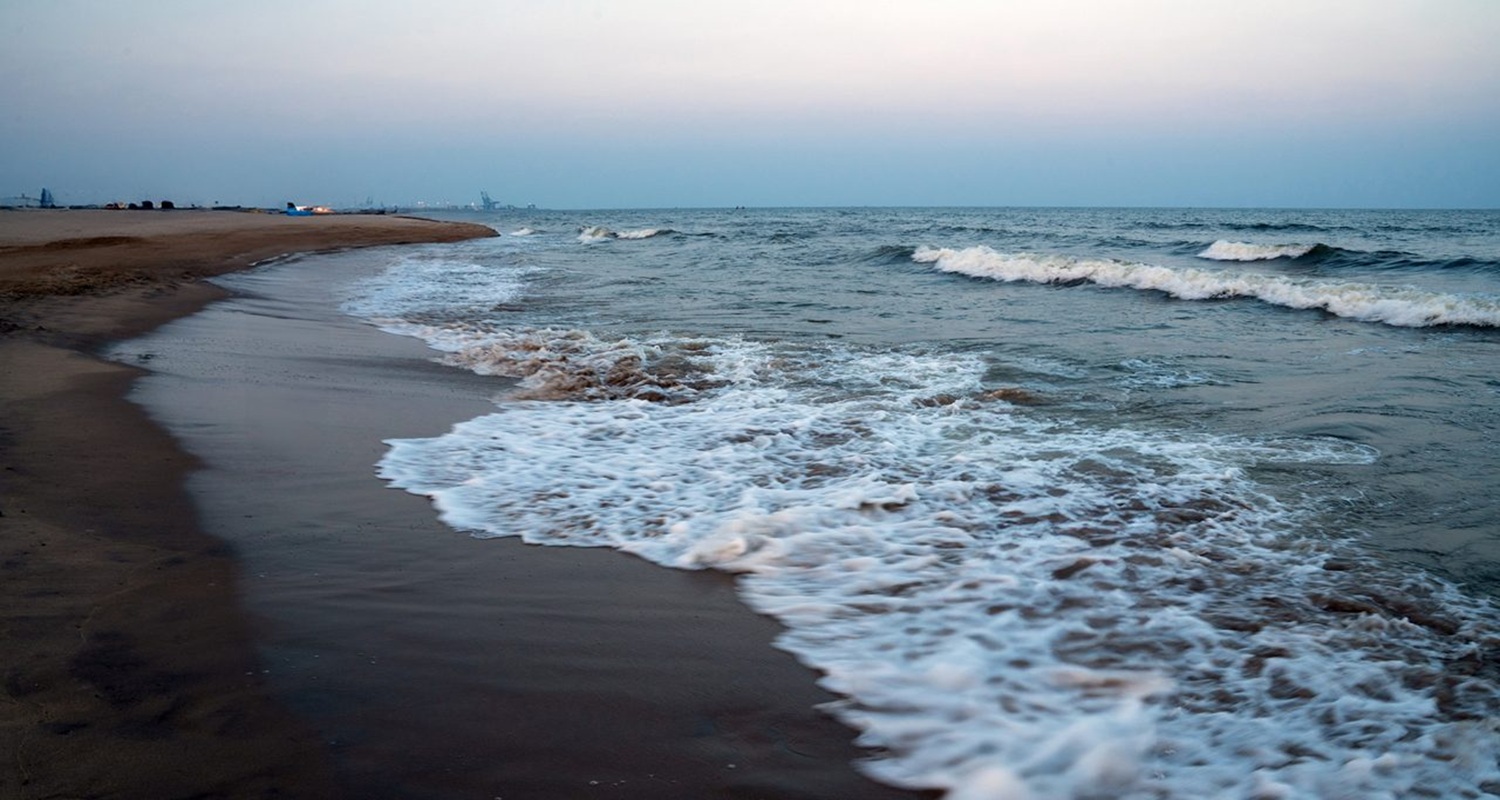
Marina Beach, Chennai
Marina Beach in Chennai is the longest natural urban beach in India, stretching over 13 km along the Bay of Bengal. Known for its golden sands and lively atmosphere, it is a popular spot for evening strolls, local snacks, and cultural activities, offering a vibrant glimpse into Chennai’s coastal charm.
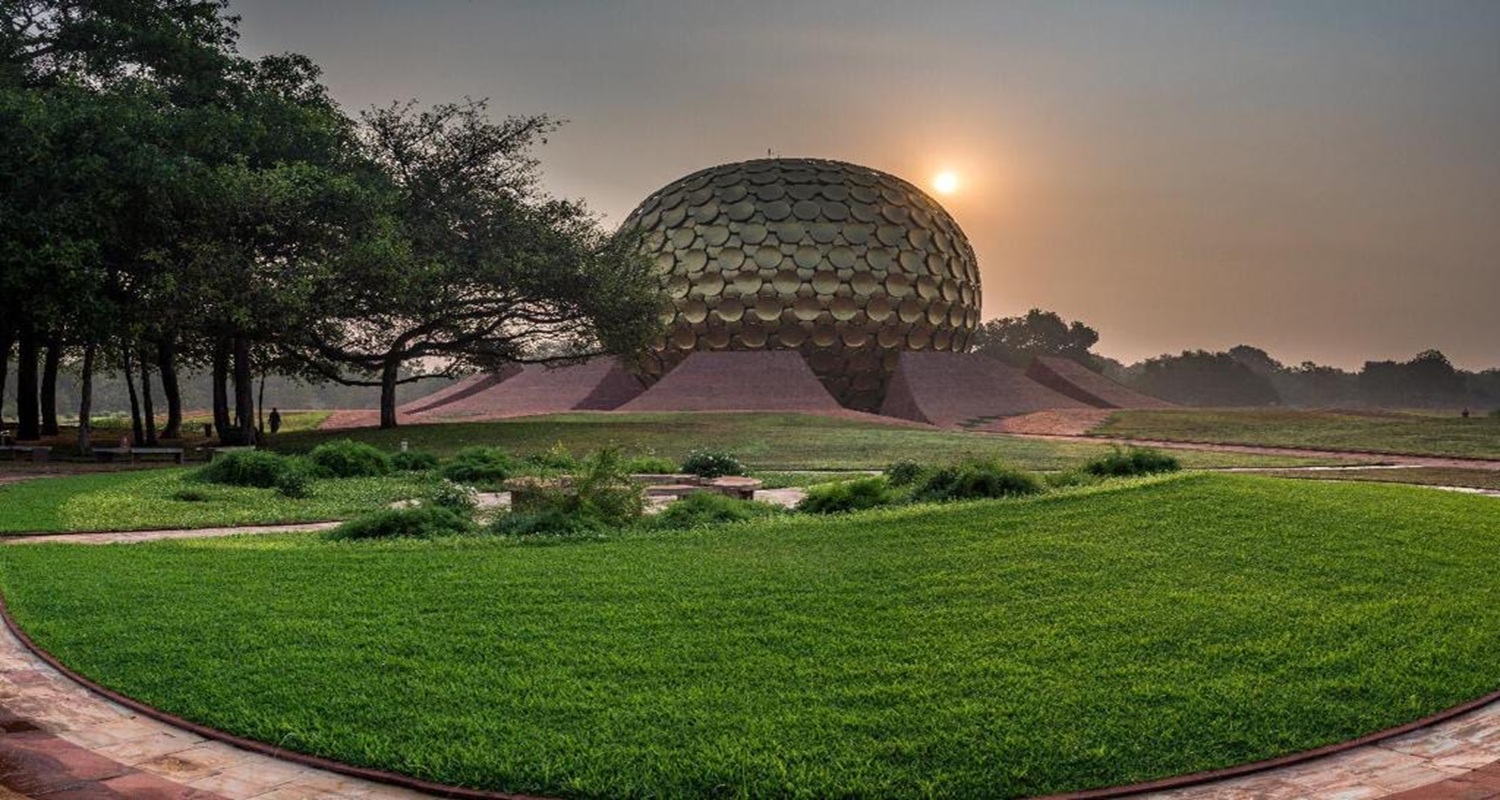
Sri Aurobindo Ashram, Pondicherry
Sri Aurobindo Ashram in Pondicherry is a renowned spiritual community founded by Sri Aurobindo and The Mother. It is a center for integral yoga, dedicated to inner growth and conscious living. The ashram attracts seekers from around the world with its serene atmosphere, meditation spaces, and the Samadhi of Sri Aurobindo and The Mother, set amidst peaceful gardens.
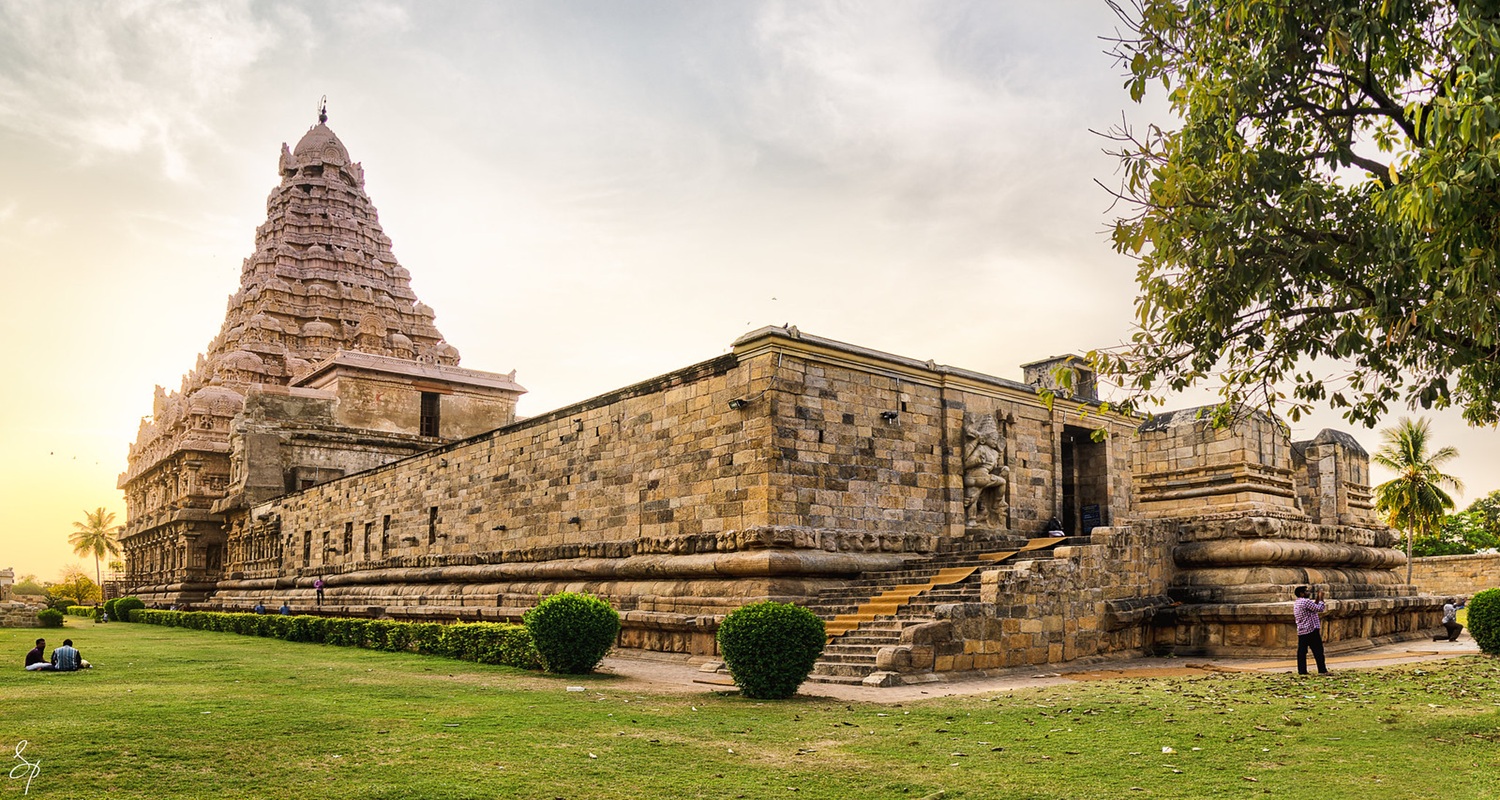
Gangaikonda Cholapuram Temple
Gangaikondacholapuram Temple, located in Tamil Nadu, is a magnificent 11th-century Chola monument built by Emperor Rajendra Chola I to commemorate his victory over the Ganges region. Dedicated to Lord Shiva, the temple is renowned for its grand architecture, intricate sculptures, and towering vimana (sanctum tower), slightly shorter but more elegant than the Brihadeeswarar Temple in Thanjavur. Recognized as a UNESCO World Heritage Site, it stands as a testament to the Chola dynasty’s architectural brilliance and cultural legacy.
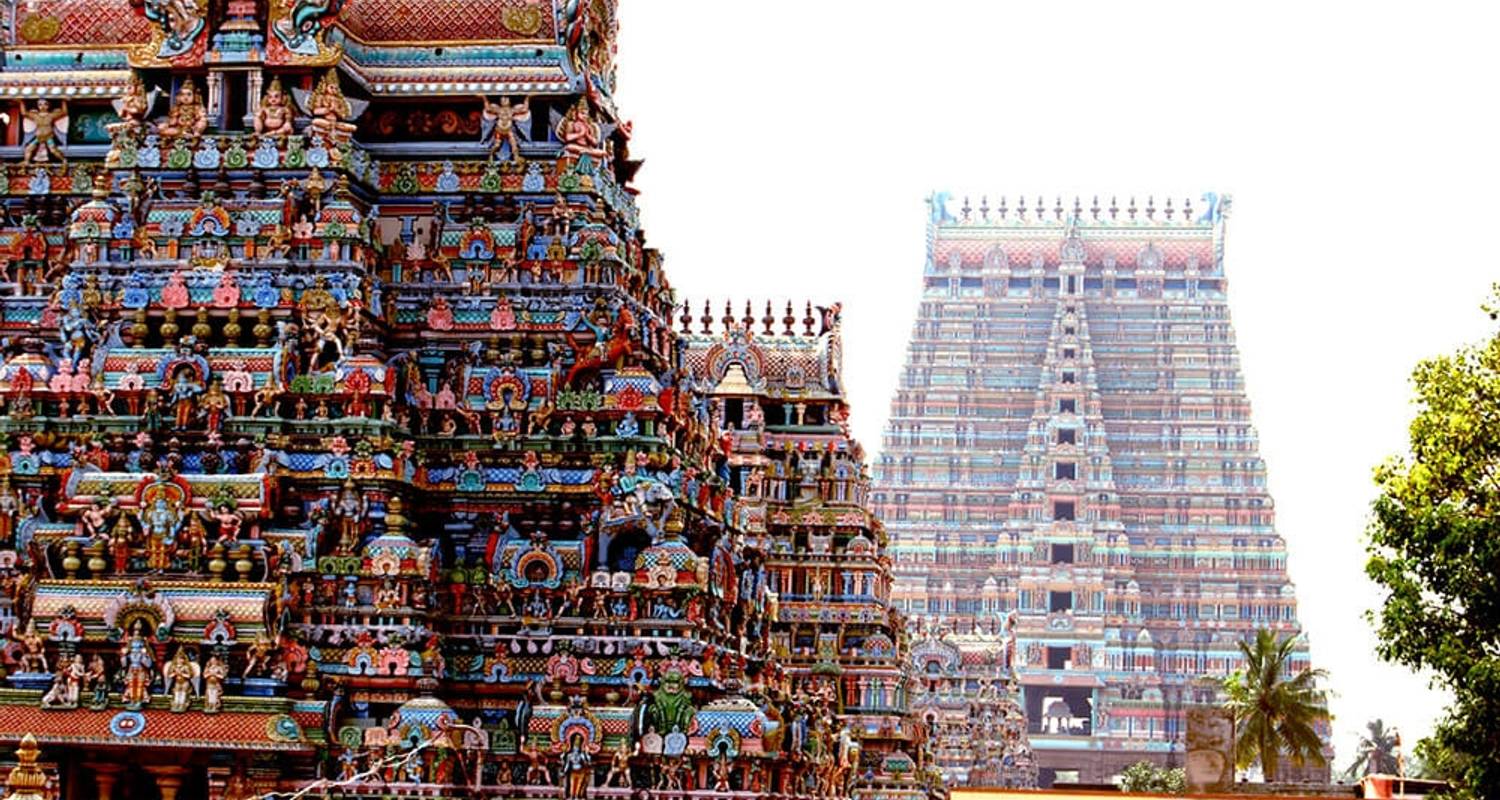
The Sri Ranganatha Swamy Temple, Srirangam
The Sri Ranganatha Swamy Temple in Srirangam, Tamil Nadu, is one of the largest functioning Hindu temples in the world, dedicated to Lord Vishnu. Renowned for its grand Dravidian architecture, the temple complex spans 156 acres and features intricately carved gopurams, including the towering Rajagopuram. A major pilgrimage site, it is revered as the foremost of the 108 Divya Desams and is celebrated for its spiritual significance, rich history, and vibrant festivals.
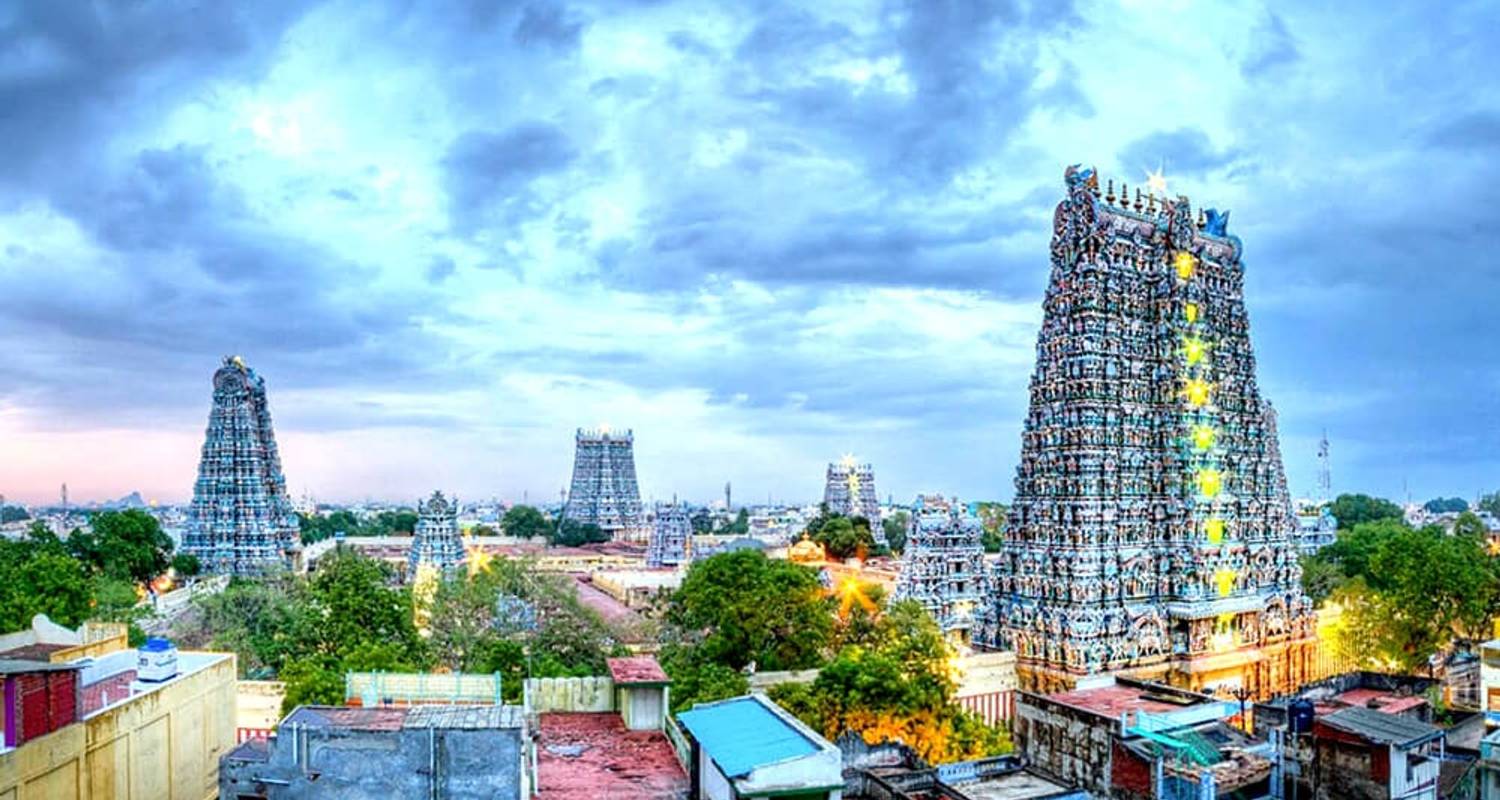
The Meenakshi Amman Temple, Madurai
The Meenakshi Amman Temple in Madurai, Tamil Nadu, is a magnificent Dravidian-style temple dedicated to Goddess Meenakshi and Lord Sundareswarar. Renowned for its towering gopurams adorned with thousands of colorful sculptures, the temple is a masterpiece of architecture and spirituality. It is not only a vibrant center of worship but also a cultural landmark symbolizing Tamil heritage and devotion.
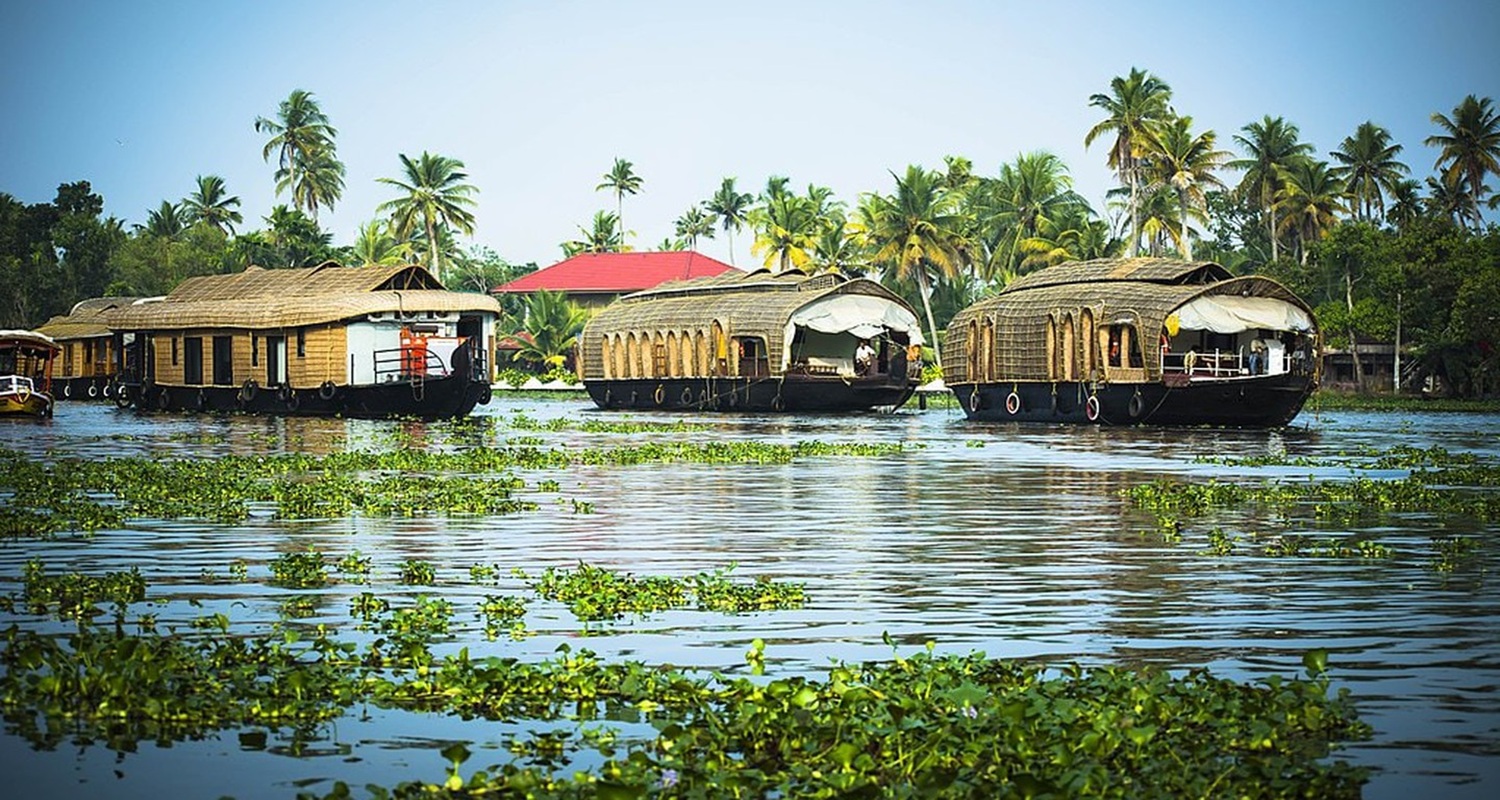
Houseboat Cruise at Vembanad Lake, Kumarakom
Kumarakom, a serene village in Kerala, is famous for its enchanting backwaters, lush greenery, and rich birdlife. Nestled along the banks of Vembanad Lake, it offers houseboat cruises, traditional Kerala hospitality, and a tranquil escape amidst coconut groves and paddy fields, making it a perfect destination for nature and leisure seekers.
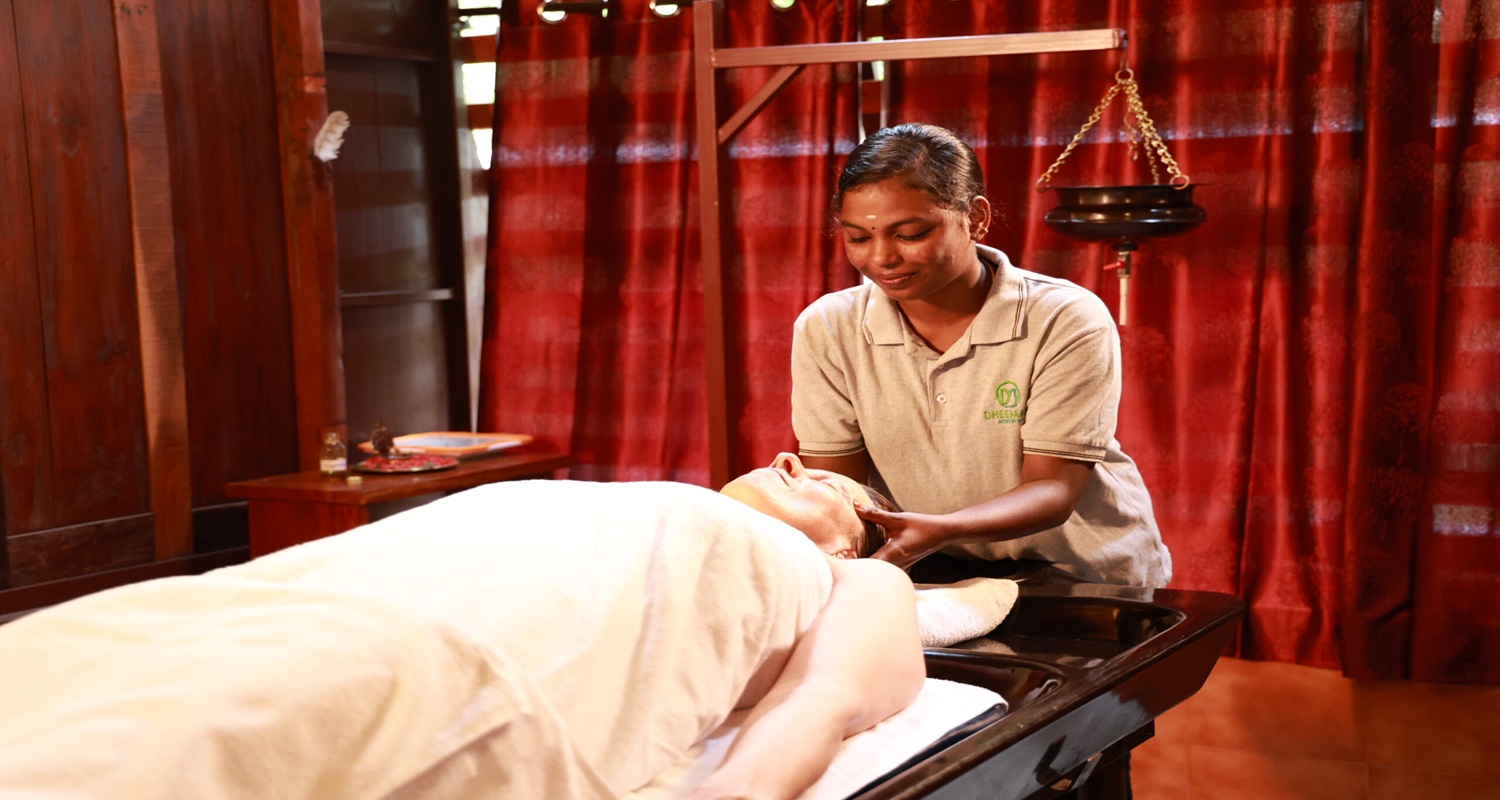
Ayurvedic Wellness Centers, Kumarakom
Kumarakom offers a serene healing experience amidst Kerala’s backwaters. Known for its traditional therapies, rejuvenating massages, and herbal treatments, it focuses on restoring balance of body, mind, and soul. Many resorts and wellness centers in Kumarakom provide authentic Ayurvedic programs, often combined with yoga, meditation, and a tranquil natural setting, making it an ideal destination for holistic wellness and relaxation.
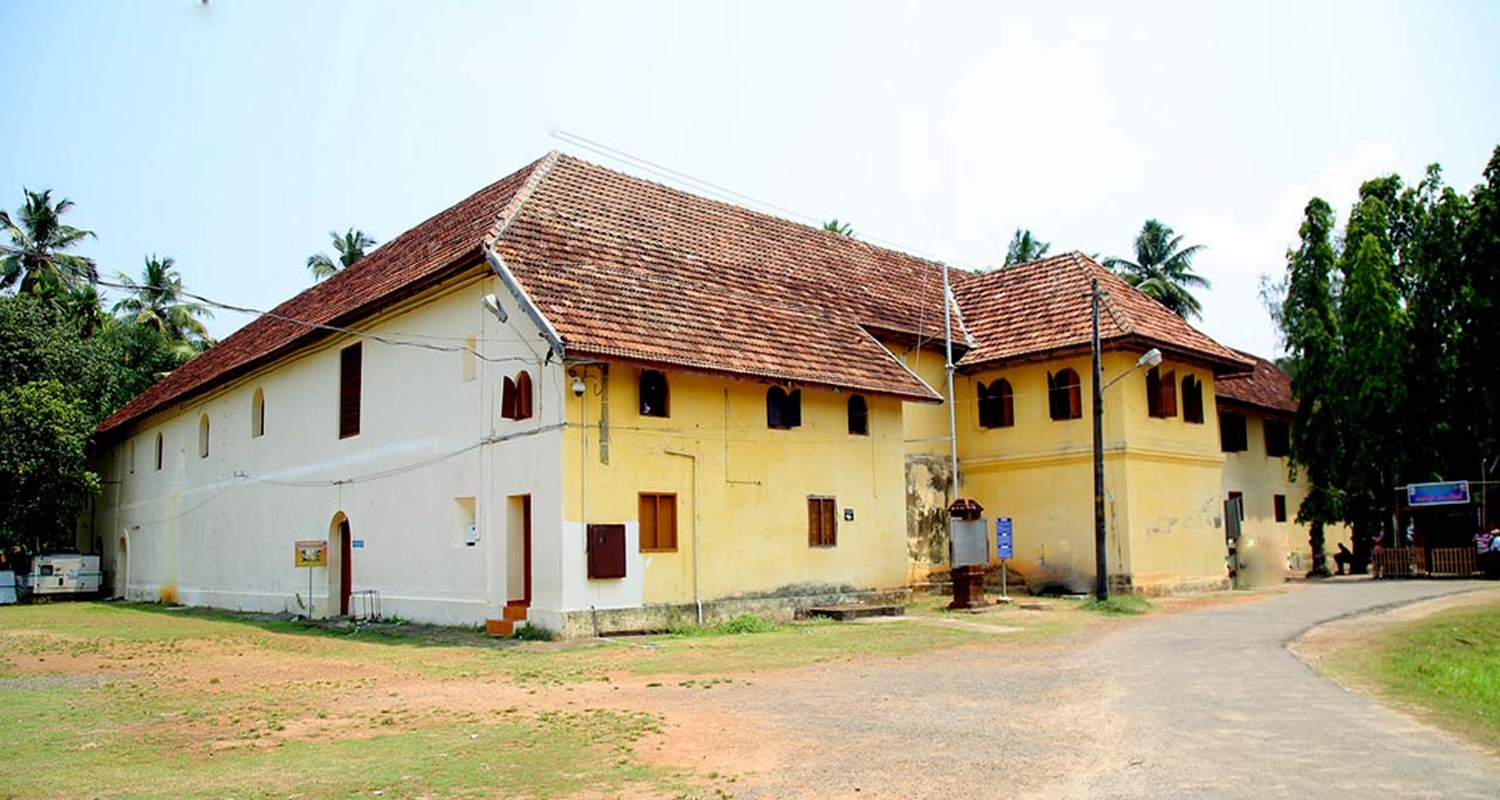
The Mattancherry Palace, Cochin
The Mattancherry Palace, also known as the Dutch Palace, is a historic landmark in Cochin, Kerala. Built by the Portuguese in 1555 and later renovated by the Dutch, the palace is renowned for its traditional Kerala-style architecture with sloping roofs, courtyards, and intricate woodwork. Inside, it houses exquisite murals depicting scenes from the Ramayana and Mahabharata, along with portraits of Kochi’s royal family. The palace offers a fascinating glimpse into Kerala’s royal heritage and cultural artistry.
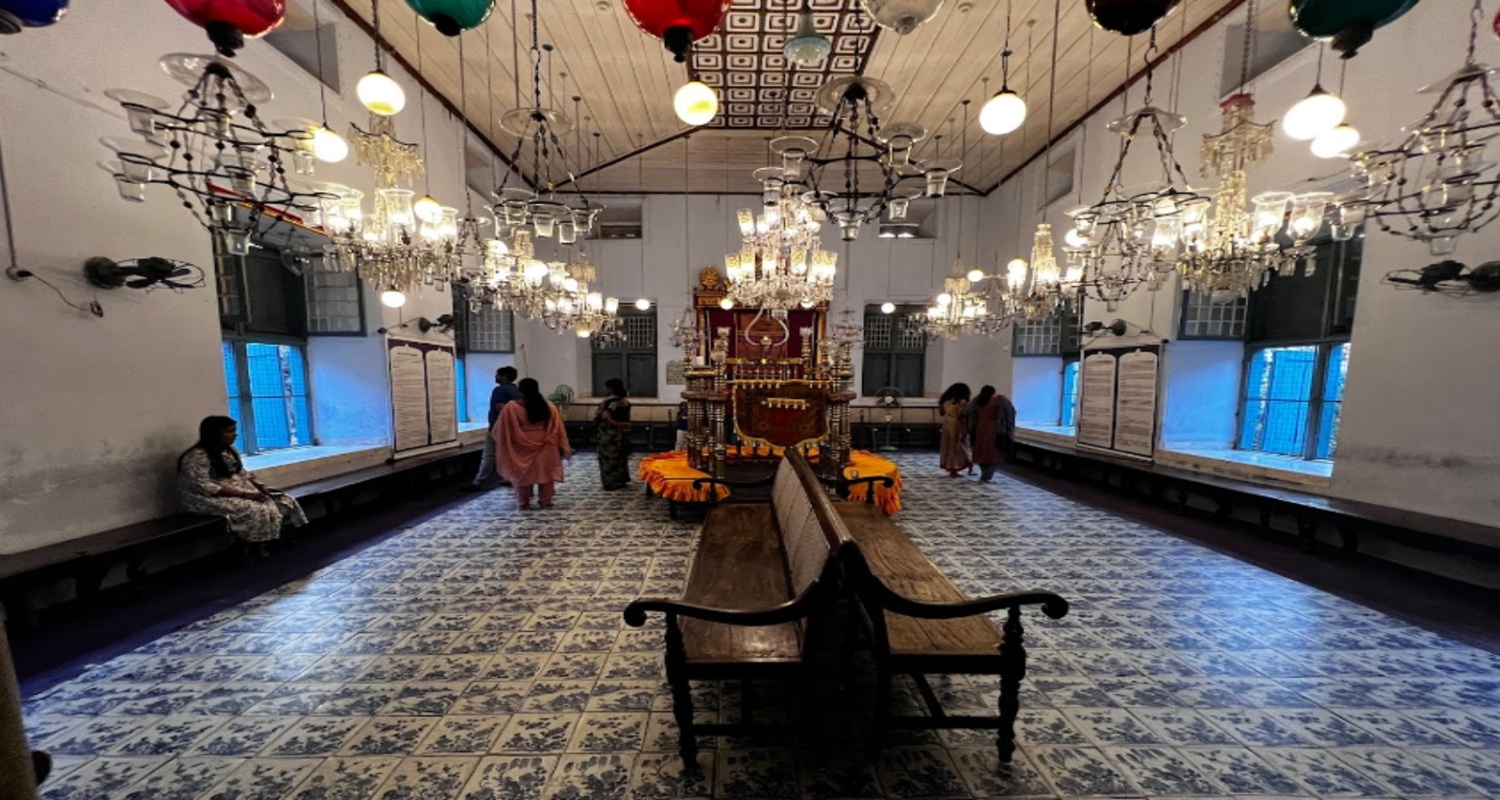
The Paradesi Synagogue, Cochin
The Paradesi Synagogue in Cochin, Kerala, built in 1568, is the oldest active synagogue in the Commonwealth. Located in the historic Jew Town of Mattancherry, it is renowned for its Belgian glass chandeliers, hand-painted Chinese porcelain tiles, and ancient Torah scrolls. The synagogue reflects a blend of Jewish, Indian, and colonial influences, making it a significant symbol of Cochin’s multicultural heritage.
Ø Confirmation will be Sent within 48 hours of booking Request and on subject to availability.
Ø Child below 5 year is free.
Ø No strict dress code is enforced at tour sites. However, please be advised to dress accordingly for places of worship; shorts or sleeveless tops are not recommended.
Ø Please advise any specific dietary requirements at time of booking A moderate amount of walking is involved; comfortable walking shoes and sunglasses/sunscreen are highly recommended.
Ø Optional excursions and additional services would be charge additionally.
Ø Visits to wild life parks will be at client's own risk.
Ø Safari vehicles (none air-conditioned) available are very basic.