North India
Classical North India & City of Joy - North India & Calcutta
NotIncluded
INR Per Person
3 stars
Travel Duration
12 Days / 11 Nights
Included in the trip




Individual departures
round The Year
Experience the timeless charm of India on this carefully curated journey that combines history, spirituality, and cultural richness. Begin in Delhi, where the vibrant contrasts of Old and New Delhi unfold. Discover the grandeur of Jama Masjid, the bustling lanes of Chandni Chowk, Raj Ghat, and the elegant colonial landmarks of Lutyens’ Delhi, before marvelling at the towering Qutub Minar.
From the capital, travel to the royal city of Jaipur, where Rajput heritage shines through at every turn. Visit the serene Monkey Temple (Galta Ji) and the marble Birla Mandir before exploring Amber Fort’s glittering Sheesh Mahal, the regal City Palace, the astronomical wonder of Jantar Mantar, and the photogenic Hawa Mahal. Jaipur’s colourful bazaars offer the perfect chance to shop for jewellery, textiles, and handicrafts.
On the way to Agra, stop at Abhaneri’s Chand Baori Stepwell and the abandoned Mughal capital of Fatehpur Sikri, both striking examples of India’s architectural brilliance. In Agra, witness the breathtaking Taj Mahal at sunrise, explore the mighty Agra Fort, and admire the delicate Baby Taj.
Journey onward to Orchha, a riverside town with beautiful palaces, temples, and royal cenotaphs that exude medieval charm. Continue to Khajuraho, a UNESCO World Heritage Site famed for its intricately carved temples depicting both spirituality and sensuality.
Heading east, pause at Prayagraj, a sacred confluence of three holy rivers, before arriving in Varanasi, the spiritual heart of India. Here, a sunrise boat ride on the Ganges, visits to Kashi Vishwanath Temple and Sarnath, and the unforgettable evening Ganga Aarti reveal the city’s deep spiritual essence.
The journey concludes in Kolkata, the cultural capital of eastern India. Explore the colonial grandeur of the Victoria Memorial, spiritual sites like Dakshineswar Kali Temple, and the treasures of the Indian Museum. Stroll across the iconic Howrah Bridge and witness artisans at Kumartuli, before soaking in the city’s vibrant art, literature, and culinary traditions.
This Delhi–Jaipur–Agra–Orchha–Khajuraho–Varanasi–Kolkata itinerary is more than a holiday—it’s a journey through India’s living history, sacred traditions, and architectural masterpieces. Perfect for travellers seeking an immersive experience, it offers unforgettable encounters with the spirit of India.
Stages Of Tour
Day 1
ARRIVAL IN DELHI & SIGHTSEEING
Welcome to DELHI, The Capital of India. Your flight would land at Indira Gandhi International Airport. After landing kindly head towards the immigration department and get your passport stamped. Immigration Department would stamp the Visa on your Passport. After the Immigration and Custom check Kindly Take an Exit from the Airport from Exit Gate No 4.
MY TOUR ADVISOR’S Representative would be waiting you for your welcome outside the Gate No, After the Meet Proceed towards the visit of the capital of India.
Delhi, India’s captivating capital, is not just a city, it’s a journey through time. From the legendary Indraprastha of the Mahabharata to the grandeur of the Mughals and the elegance of British colonial rule, Delhi has been the stage where history was written. Here, ancient bazaars buzz with spices and silks, while majestic monuments whisper tales of empires long gone. Yet, beyond its history, Delhi is alive with vibrant traditions, mouthwatering street food, colourful festivals, and a cosmopolitan spirit. It is a city where every corner offers a discovery—whether it’s a rickshaw ride through the chaotic lanes of
Chandni Chowk or a stroll past Lutyens’ stately avenues. For travellers, Delhi is not just a destination, but the perfect gateway to experience the soul of India.
Full Day Dedicated to the exploration of the city. The day would start from the visit of Chandani chowk and Jama Masjid, one of the largest and most impressive mosques in India. Built by Mughal Emperor Shah Jahan in the 17th century, this architectural marvel features grand red sandstone courtyards, intricate marble inlay, and towering minarets that offer panoramic views of the city. The mosque’s serene atmosphere provides a striking contrast to the bustling streets outside. From here, dive into the vibrant chaos of Chandni Chowk, Delhi’s oldest and busiest market. Enjoy a ride on cycle rickshaw passing centuries-old shops, taste famous street food and explore treasures ranging from spices and textiles to silver jewellery. Explore the famous spice market Khari Baowli - Asia’s largest spice market.
Afterwards drive through the Lutyens Delhi. designed by British architect Sir Edwin Lutyens, is the heart of India’s capital. It features wide boulevards, grand gardens, and iconic landmarks like President house, India Gate, and Parliament House.
End your day with the visit of Humayun’s Tomb, a UNESCO World Heritage Site, it is a splendid example of Mughal architecture and the first garden tomb in India. Built in the 16th century by Empress Bega Begum for Emperor Humayun, its grand red sandstone structure with white marble domes later inspired the design of the Taj Mahal. Surrounded by Charbagh-style gardens, intricate arches, and Persian-influenced details, the monument reflects the glory of the Mughal era. After the visit return to the hotel. Overnight stay in Delhi.
Day 2
DELHI – JAIPUR (260 KM – 5 HOURS)
After breakfast. Start your drive towards JAIPUR, also called as the pink city. It will take you 5 to 6 Hours to reach Jaipur. On arrival you would be taken to your hotel for check-in.
In the afternoon Visit the Famous Shrine of Galta Ji. It is a religious shrine located at the outskirts of the city in the middle of the Hills. It was the meditating place for the Rishi Galav. The shrine has a religious Pond which is feed by natural spring water. Devotees come to GALTA ji to take a holy dip in the pond and pay homage to the Rishi Galav. Now the Temple is more famous for the Monkeys who have found this place a natural habitat, hence the place has Acquired the name as Monkey Temple.
Afterwards Proceed towards Birla Temple. Built in white marble, Birla Mandir is located in the centre of the city and dedicated to Lord VISHNU and Goddess Laxmi. It is one of the important hindu temple of the Jaipur. After the Visit Return to the Hotel for your overnight Stay.
Day 3
JAIPUR SIGHTSEEING
Jaipur as a city came in to existence in the year 1727 when current Maharaja Jai Singh decided to build a new city to accommodate the rising population of the city. He envisioned a planned city, drawing on scientific and architectural principles of the time, making it one of India's first planned cities. The city's layout, based on Vastu Shastra and Shilpa Shastra, features a grid-iron plan with nine sectors. Jaipur's historical walled city was completed within four years, showcasing a blend of ancient and contemporary architectural styles.
After breakfast, drive towards Amber Fort with a photo stop at Hawa mahal (wind Palace). The fort is perched atop a hill. You can choose to reach up to the top of the hill on an elephant (on direct payment) or in jeep. The fort is famous for its stunning red sandstone and marble structures which includes various courtyards, buildings and pavilions. The most famous structures are Ganesh Pol – the Main entrance gate. The Sheesh Mahal (Mirror Palace) and royal chambers.
After the visit take a photo stop at Jal mahal – the lake Palace of Jaipur
After wards Visit the City Palace Jaipur, located in the heart of the Pink City, the complex includes courtyards, gardens, and several buildings. Its museum has a vast collection of royal costumes, artifacts, textiles & antique furniture.
Later proceed to visit the Jantar Mantar Observatory, it's one of the most well-preserved and largest astronomical observatories in the world. It includes sophisticated tools for the calculation of eclipses and for the detection of the position of stars, the calculation of ascendants. The principal attraction of the building is 27-meter-high sundial which is located in the center of the observatory.
After the visit explore the old city and its vibrant market. After the foundation of the city Jaipur attracted skilled artisans, craftsmen, and merchants from various parts of India to settle here. This led to a flourishing arts and crafts industry, with skilled craftsmen specializing in gem cutting, jewellery making, block printing, Textiles, and miniature paintings. Today Jaipur has become a paradise for shoppers.
later return to the hotel for dinner. Overnight stay in Jaipur.
Day 4
JAIPUR – ABHANERI - FATEHPUR SIKRI – AGRA (230 KM – 5 Hrs Approx)
After a sumptuous breakfast, Start your drive towards Agra, Along the way take a stop at Abhaneri Step Well - Also called as Chand Baori, It is one of the most remarkable stepwells in India and a fine example of ancient engineering and architecture. Built in the 9th century by King Chand of the Nikumbh dynasty, this massive structure was designed to conserve water in the arid desert climate. The stepwell descends about 20 meters and features over 3,500 narrow steps arranged in a symmetrical, crisscross pattern across 13 levels, creating a striking geometric design. Its clever construction ensured that the water remained cool, making it a vital source for drinking, irrigation, and community needs.
After the Visit Proceed towards Fatehpur Sikri, located about 40 kilometers west of Agra, It is a UNESCO World Heritage Site and one of the finest examples of Mughal architecture in India. Built in the late 16th century by Emperor Akbar the Great, it served as the capital of the Mughal Empire for a brief period from 1571 to 1585. Akbar constructed this magnificent city to honor the Sufi saint Sheikh Salim Chishti, who had blessed him with the prophecy of a male heir. The city is a blend of Islamic, Hindu, and Persian architectural styles, showcasing Akbar’s vision of a unified empire.
After the visit proceed towards Agra, On arrival in agra transfer to the Hotel for check-in. Overnight stay in Agra.
Day 5
AGRA SIGHTSEEING
Located in Uttar Pradesh, Agra is a city steeped in history, heritage, and architectural splendor. Best known as the home of the Taj Mahal, one of the Seven Wonders of the World, Agra draws millions of visitors from across the globe. Once the capital of the Mughal Empire, the city showcases stunning examples of Mughal architecture, including the majestic Agra Fort and Baby Taj. Beyond its monuments, Agra offers a rich cultural experience with bustling markets, traditional crafts like marble inlay work, and flavorful Mughlai cuisine. Agra is not just a destination—it is an unforgettable journey through time, beauty, and imperial legacy.
After Breakfast proceed towards the visit of Tajmahal- built by Emperor Shahjahan for his beloved wife Mumtaz Mahal. Taj Mahal is not just a monument—it's a timeless poem in white marble, a symbol of undying love etched into history. Skilled craftsmen from Persia, Turkey, France and Italy and some 20,000 laborers worked for 17 years to build this edifice. Marble was brought from Makrana near Jodhpur and precious stones of onyx, amethyst, malachite, lapis lazuli, turquoise, jade, crystal and mother of pearl were carried from Persia, Russia, Afghanistan, Tibet and China. It is, truly, love immortalized in stone. After the visit return to the hotel for breakfast
Later proceed towards the Agra Fort. It is a majestic red sandstone fortress located on the banks of the Yamuna River in Agra. Built primarily by Emperor Akbar in the 16th century and later expanded by his successors, the fort served as the main residence of the Mughal emperors. Enclosed within massive walls are a series of elegant palaces, audience halls, and mosques, including the Jahangiri Mahal, Diwan-i-Khas, and Moti Masjid. A fine example of Mughal architecture, blending Islamic and Hindu elements, Agra Fort offers a glimpse into royal life and India's rich historical legacy.
End your day with a visit to Mehtab Bagh, meaning “Moonlight Garden,” It is a Charbagh-style garden complex located across the Yamuna River, directly opposite the Taj Mahal. Built by Emperor Babur in the 16th century, it was later restored by Shah Jahan to serve as the perfect viewing point for the Taj. The beautifully aligned garden offers a serene atmosphere, with fountains, pavilions, and walkways designed to frame the monument’s reflection in the river. Best visited at sunset, Mehtab Bagh provides a breathtaking perspective of the Taj Mahal away from the crowds, making it a photographer’s paradise and a peaceful retreat.
After the visit return to the Hotel for Overnight Stay.
Day 6
AGRA – ORCHHA (260 Km | 3½ Hours)
Early Morning transfer to the train station to take the train for Jhansi. The journey would last for 3 ½ Hours. On arrival at Jhansi Station. Meet our representative in front of your coach, he will accompany you to the vehicle. Meet your Driver and drive to Orccha, once the famous feudal State Capital of Bundelkhand, here you will find a small village full of colours and beautiful temples with high Shikhara, called Chattris in the local language. It is a beautiful place on the banks of the river Betwa. On Arrival check-in to the Hotel.
Later visit the Fort Complex starting with Jahangir Mahal It is a stunning example of Indo-Islamic architecture, built in 1605 by Raja Bir Singh Deo to honor Emperor Jahangir’s visit. This three-storied palace is known for its symmetrical design, ornate balconies, arched doorways, and massive domes. Its grand entrance, adorned with carved elephants, leads to a spacious courtyard surrounded by intricately designed chambers. The palace reflects a perfect blend of Mughal aesthetics and Rajput military architecture. Built for ceremonial purposes rather than residence, it offers sweeping views of the Betwa River and surrounding landscape. Jahangir Mahal remains one of Orchha’s most iconic and majestic landmarks.
Later visit Raja Mahal, located within the Orchha Fort complex, was built by Raja Madhukar Shah in the 16th century as the royal residence of the Bundela kings. From the outside, it appears simple and austere, but the interiors are richly decorated with exquisite murals and frescoes depicting scenes from the Ramayana, Mahabharata, and local legends. The palace features grand halls, jharokhas (balconies), and intricately painted ceilings, showcasing traditional Bundela art. Unlike Jahangir Mahal, Raja Mahal was a functional living space, emphasizing comfort and devotion. Its spiritual ambiance and artistic detailing make it a captivating site for history and culture lovers.
After the visit of fort complex proceed towards the visit of Royal Cenotaphs, known as Chhatris, they are a group of 15 stunning memorials built to honor the Bundela kings and their families. Located along the serene banks of the Betwa River, these structures date back to the 16th to 18th centuries. Designed in classic Rajput architecture, each cenotaph features ornate domes, arched doorways, and towering pavilions. The most notable one commemorates Raja Bir Singh Deo. Though not actual tombs, they symbolize royal cremation sites and pay homage to the legacy of Orchha’s rulers. The site offers a peaceful atmosphere and picturesque views, especially during sunrise and sunset.
After the visit take a stroll in the market or visit other temples like Chaturbhuj Temple or Raja Ram Temple. Overnight Stay in Orchha.
Day 7
ORCHAA – KHAJURAHO (200 KM | 4 Hours)
After the Breakfast, Start your Journey towards KHAJURAHO. On arrival Checkin to the Hotel. In the afternoon visit of the the Khajuraho Temples. famous for their intricate carvings and erotic sculptures. Built between the 10th and 12th centuries by the Chandela dynasty, these temples reflect a unique blend of spirituality, art, and sensuality. Out of the original 85, only 22 temples have survived, showcasing exceptional craftsmanship and architectural brilliance. The temples are divided into Western, Eastern, groups, with the Kandariya Mahadev Temple being the most impressive. A UNESCO World Heritage Site, Khajuraho attracts history lovers, art enthusiasts, and spiritual seekers from around the world.
After the Visit Transfer to the Hotel for an Overnight Stay.
Day 8
KHAJURAHO – PRAYAGRAJ - VARANASI (400 KM | 8 Hours)
After the Breakfast start your journey - towards VARANASI, on the way stop at PRAYAGRAJ.
Start your day Early and reach to PRAYGARAJ in The Afternoon.
Prayagraj, formerly known as Allahabad, is a historic and sacred city in Uttar Pradesh, India, situated at the confluence of the Ganga, Yamuna, and the mythical Saraswati rivers, known as the Triveni Sangam. It is one of Hinduism’s holiest cities and the site of the Kumbh Mela, the world’s largest religious gathering. On Arrival visit of the SANGAM. Afterwards Transfer to Varanasi. Arrival at Varanasi and check-in to the Hotel.
Overnight Stay in Varanasi.
Day 9
VARANASI SIGHTSEEING
Varanasi, also known as Kashi or Banaras, is one of the oldest continuously inhabited cities in the world and a major spiritual hub in India. Located on the banks of the Ganga River in Uttar Pradesh, it is considered the spiritual capital of India. The city is sacred to Hindus, Buddhists, and Jains, and is famous for its ghats, ancient temples, and ceremonial aartis. People come here to seek moksha (liberation), perform last rites, or simply experience its timeless mysticism. With its rich blend of faith, culture, music, and learning, Varanasi leaves a lasting impact on every visitor.
In the morning wake up before dawn and head out towards the ghats of Varanasi to enjoy a Morning Boat Ride at the Ganges. It’s a spiritually moving experience. As the first light of dawn touches the waters of the Ganga, the ghats come alive with a unique blend of devotion, ritual, and everyday life. From the boat, you witness priests performing aarti, devotees taking holy dips, yogis meditating, and locals beginning their day. The calm of the river, the golden sunlight, and the chants echoing from the ghats create a magical, almost timeless atmosphere. Later take a walk into the Narrow Alleys of the old City witnessing the awakening of the city. After the visit return to the Hotel for Breakfast.
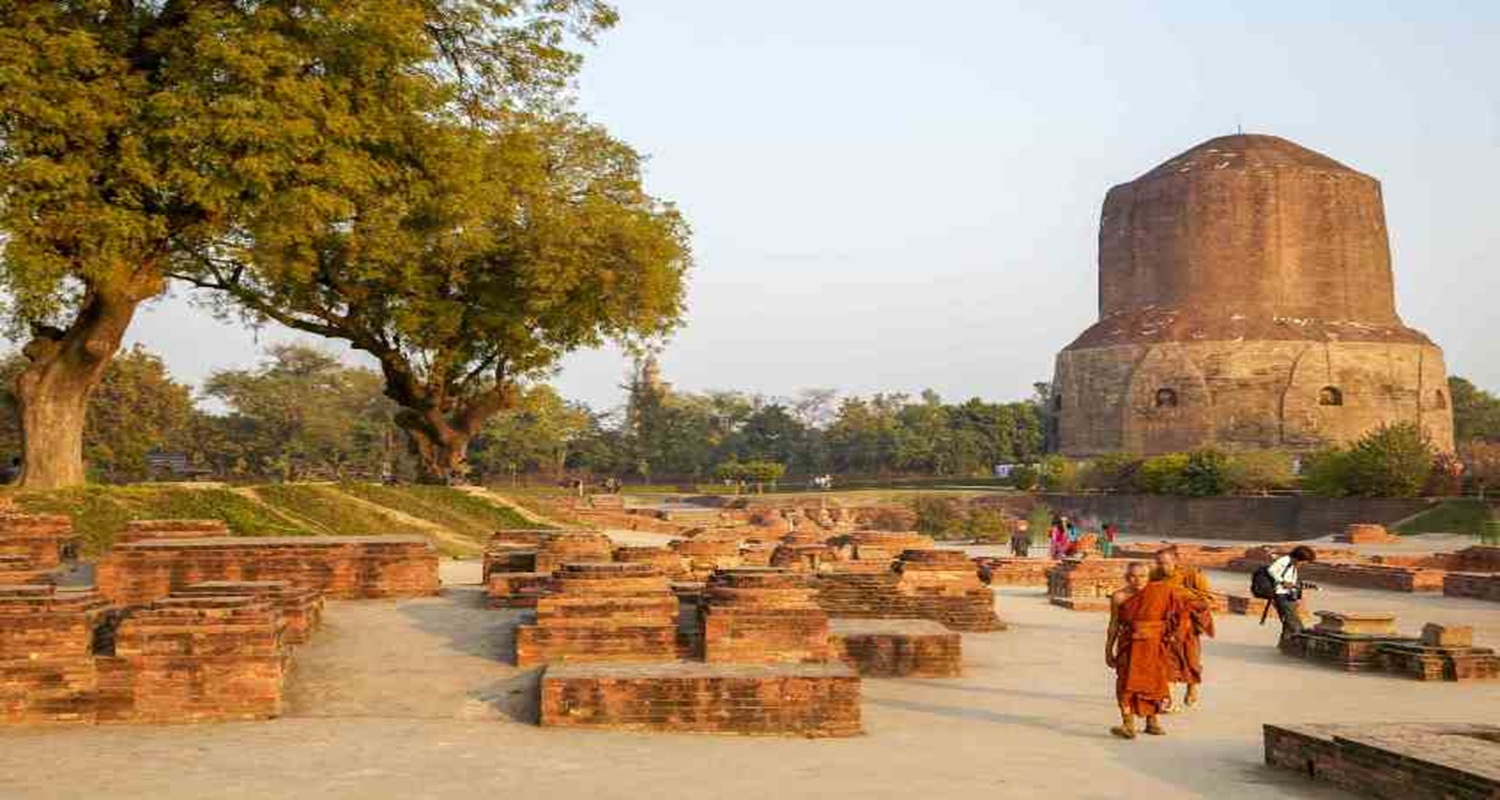
In the afternoon head out to visit the Buddhist complex of Sarnath. Take your Lunch at a local traditional Indian restaurant. Afterwards visit the Sarnath Buddhist complex. It is one of Buddhism’s most sacred sites. It is where Lord Buddha gave his first sermon after attaining enlightenment, known as the Dharmachakra Parivartan (Turning of the Wheel of Dharma). The site features important monuments like the Dhamek Stupa, Chau Khandi Stupa, and the Ashokan Pillar with its lion capital, India’s national emblem. Sarnath also houses a rich archaeological museum showcasing ancient artifacts and sculptures. Peaceful and spiritually significant, Sarnath attracts pilgrims and history enthusiasts from around the world, offering a deep insight into the early teachings and spread of Buddhism.
Later visit a Silk work factory. Varanasi has been famous for silk brocade work famous for Brocade work offering you a possibility of buying some fine silk items.
In the afternoon head out towards Namo ghat to catch the boat to attend the ceremonial evening Aarti (Prayer) to Mother Ganges. Ganga Aarti is a captivating spiritual ritual held every evening at Dashashwamedh Ghat. As dusk falls, priests dressed in traditional attire perform the aarti with large brass lamps, synchronized chants, conch sounds, and incense, all offered to Mother Ganga. The atmosphere
becomes divine, with glowing lamps, rhythmic mantras, and the river reflecting the golden light. Devotees and tourists gather on the Ghats and in boats to witness this mesmerizing ceremony. it symbolizes gratitude to the sacred river and invokes divine blessings. The Ganga Aarti is not just a ritual—it’s a
soulful experience that touches every heart. After attending the Prayer return to the hotel. Overnight Stay in Varanasi. After the visit, return to the Hotel. Overnight in Varanasi.
Day 10
VARANASI – KOLKATA (Flight | 1.5 Hours)
Morning at leisure. In time transfer to the Airport to catch the flight for Kolkata.
KOLKATA, formerly known as Calcutta, is the cultural and intellectual heart of eastern India and the capital of West Bengal. Rich in colonial history, it was once the British capital of India and still retains grand architecture like the Victoria Memorial and Howrah Bridge. Known as the City of Joy, Kolkata is famous for its literature, art, theatre, music, and vibrant festivals like Durga Puja. It’s home to icons like Rabindranath Tagore and Mother Teresa. From bustling street food stalls to serene temples and bookshops, Kolkata offers a warm, old-world charm mixed with modern vibrance and deep cultural soul.
On Arrival in the city check-in to the Hotel, Later start the visit of the city starting with Howrah Bridge
It is an iconic symbol of Kolkata and is one of the largest cantilever bridges in the world. Spanning the Hooghly River, it connects Howrah Railway Station with the city of Kolkata and sees over 100,000 vehicles and thousands of pedestrians daily. Opened in 1943, the bridge was originally named the New Howrah Bridge and later renamed Rabindra Setu after poet Rabindranath Tagore. Built without nuts or bolts, it is a feat of engineering, using riveted construction. Lit beautifully at night, the bridge offers stunning views of the river and bustling ghats, standing as a proud emblem of Kolkata’s resilience and heritage.
Later visit Dakshineshwar Kali Temple, located on the eastern bank of the Hooghly River near Kolkata, is one of the most revered Hindu temples in India. Built in 1855 by Rani Rashmoni, a philanthropist and devotee of Goddess Kali, the temple is dedicated to Bhavatarini, a form of Kali who liberates devotees from worldly troubles. The temple complex features nine spires, a large courtyard, twelve Shiva temples, and a Radha-Krishna temple. The temple remains a major spiritual, cultural, and historical landmark. After the Visit Return to the hotel. Overnight Stay at KOLKATA.
Day 11
KOLKATA SIGHTSEEING
Full day dedicated to the visit of city of Kolkata. Starting with Indian Museum Kolkata, established in 1814 by the Asiatic Society of Bengal, is the oldest and largest museum in India and one of the oldest in the world. It houses over 100,000 artifacts across six sections: Art, Archaeology, Anthropology, Geology, Zoology, and Botany. Highlights include a 4,000-year-old Egyptian mummy, the Bharhut Stupa railings, rare Buddhist and Hindu sculptures, and extensive natural history exhibits featuring dinosaur fossils and meteorites.
Later Proceed towards Kumartoli. nestled in North Kolkata, is a historic potters' quarter renowned for its exquisite clay idol craftsmanship. Originating in the 18th century during British colonial rule, the area was designated for potters ("kumor" in Bengali) who settled here due to its proximity to the Hooghly River, providing ample clay for their art. Today, Kumartuli is celebrated for producing intricate idols of deities, especially for festivals like Durga Puja. Artisans meticulously craft these idols using traditional methods: constructing bamboo frameworks, layering straw, and applying clay to form the figures, which are then painted and adorned.
Later visit the Victoria Memorial, It is a magnificent marble monument built between 1906 and 1921 in memory of Queen Victoria. Designed by Sir William Emerson, it blends British and Mughal architectural styles, featuring grand domes, statues, and lush gardens. Made from white Makrana marble, it stands as a symbol of the British Raj’s legacy in India. The museum inside houses over 25 galleries with paintings, manuscripts, rare photographs, and artifacts from colonial and Indian history.
In evening visit the local market and taste the food and experience the colourful vibes of Kolkata. Enjoy overnight stay in Kolkata.
Day 12
KOLKATA -DEPARTURE
Morning at Leisure, Intime Transfer to Kolkata Airport to take the flight for your onward Destinations.
The hotels
My Tour Advisor Provides a wide variety of hotels
Cost Per Person For Different Categories
| # | No of Pax | Standard | Superior | Prestige |
|---|
Supplements
| # | Plan | Standard | Superior | Prestige |
|---|
| # | Months | Dates 1 | Dates 2 |
|---|
Inclusions
• Accommodation as per Itinerary on twin sharing with Bed and Breakfast Plan.
• Transport by private Air-conditioned vehicle as per program.
• Professional English-Speaking Guide.
• Monument Entrance fees as per the Program.
• Domestic flight from Khajuraho to Varanasi in Economy class (check in baggage limit – 15 Kg.)
• Domestic flight from Varanasi to Kolkata in Economy class (check in baggage limit – 15 Kg.)
• Train from Agra to Jhansi in AC Chair Car.
• Rickshaw Ride in Old Delhi
• Elephant Ride in Jaipur
• Visit of Abha Neri Step well - An 8th Century Architectural Marvel
• Hotel/port pickup and drop-off.
• 2 bottles of water per traveler per day
• Travel kit document bag
• One souvenir gift from MTA
• Private and personalized services.
• All taxes, fees and handling charges
• GST (Goods and Services Tax)
Exclusions
• Visa and Insurances
• Food and drinks, unless specified.
• Gratuities (recommended).
• Anything not mentioned and specified in Itinerary and in inclusions.
Enquiry Form
Please fill the below form for more information
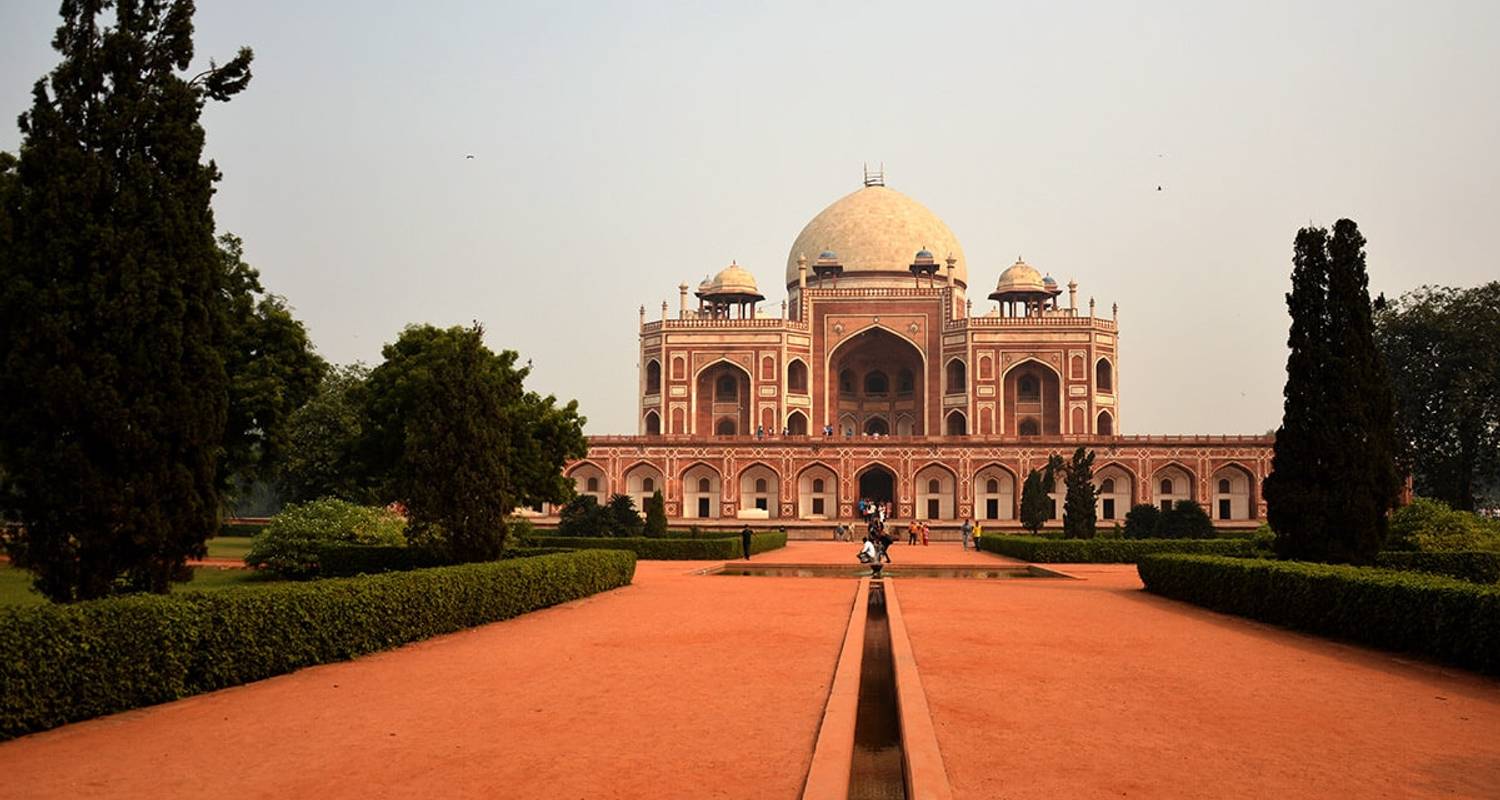
Humayun’s Tomb, New Delhi
Humayun’s Tomb, located in Delhi, is a magnificent example of Mughal architecture and a UNESCO World Heritage Site. Built in 1570 by Empress Bega Begum, the first wife of Emperor Humayun, it was the first garden-tomb in the Indian subcontinent. The monument is renowned for its Persian-influenced design, featuring a grand mausoleum set in the middle of a symmetrical Charbagh (four-part) garden, with water channels and pathways. Constructed primarily from red sandstone with white marble detailing, the tomb is an architectural precursor to the Taj Mahal. Besides Emperor Humayun, it also houses the graves of several Mughal royals, making it a significant historical and cultural landmark.
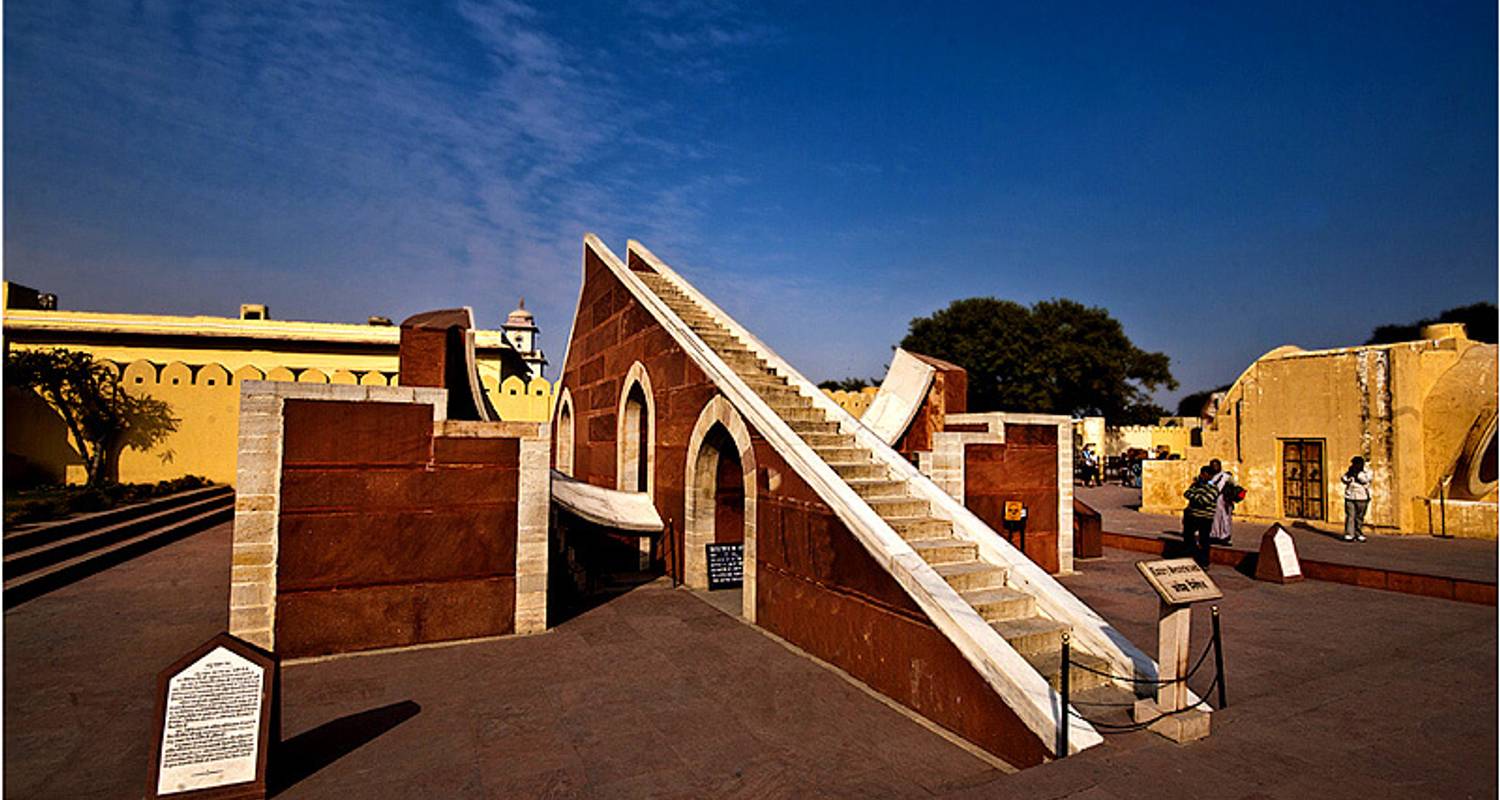
Jantar Mantar , Jaipur
Jantar Mantar in Jaipur is a historic astronomical observatory built in the early 18th century by Maharaja Sawai Jai Singh II, the founder of Jaipur. Completed in 1734, it houses the world's largest stone sundial and a collection of 19 architectural astronomical instruments. Designed to observe celestial bodies with the naked eye, Jantar Mantar reflects the scientific and cultural advancements of its time. It combines elements of astronomy, architecture, and astrology, and was declared a UNESCO World Heritage Site in 2010. Today, it stands as a testament to India's rich scientific heritage.
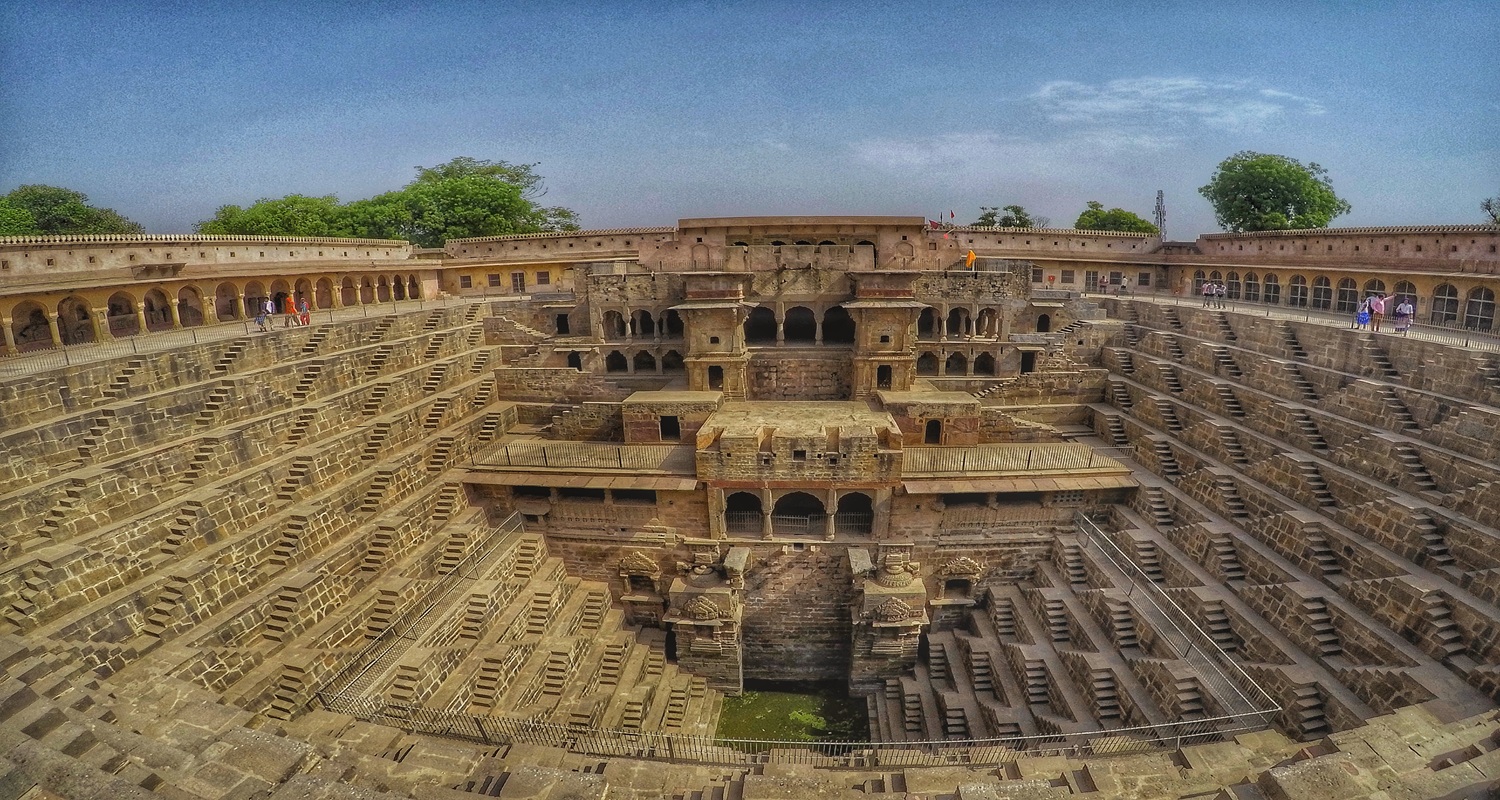
Chand Baori, Abhaneri
Chand Baori is a famous stepwell located in the village of Abhaneri in the Indian state of Rajasthan. Built around the 9th century by King Chand of the Nikumbh dynasty, it is one of the deepest and largest stepwells in India. The structure consists of 3,500 narrow steps arranged in a precise geometric pattern, descending about 13 stories and over 30 meters (100 feet) deep. It was designed to conserve water and serve as a cool resting place for locals during the intense desert heat. Chand Baori is admired for its architectural brilliance and symmetry, and it remains a significant example of ancient Indian engineering and artistry.
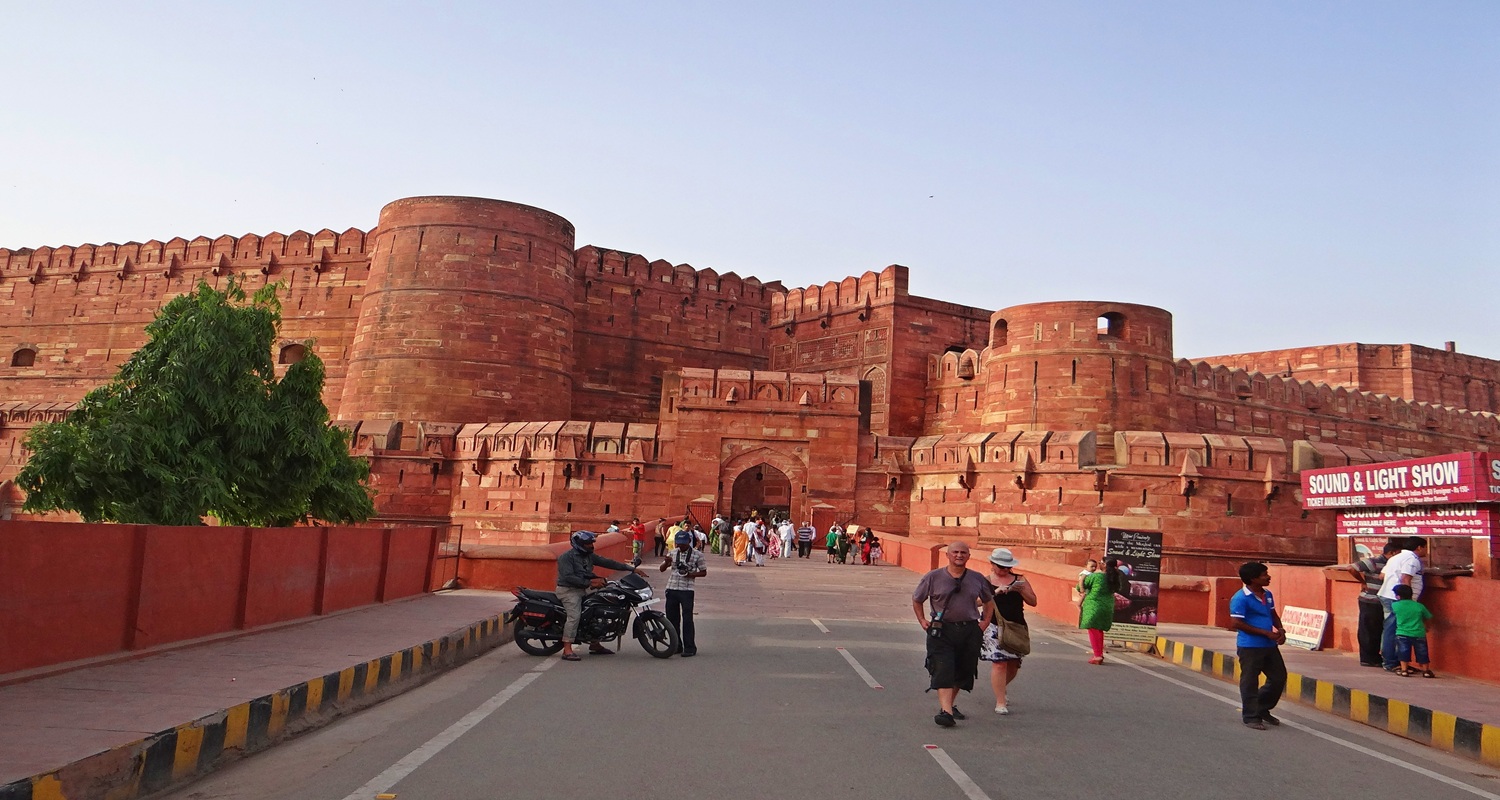
The Red Fort, Agra,
The Red Fort of Agra, also known as the Agra Fort, is a UNESCO World Heritage Site located in Agra, India. It was built primarily by the Mughal Emperor Akbar in 1565, and later enhanced by his grandson Shah Jahan, who added several white marble structures. Made mainly of red sandstone, the fort served as the main residence of the Mughal emperors until 1638, when the capital was shifted to Delhi. It is both a military stronghold and a royal palace, featuring impressive gates, palaces, mosques, and audience halls.
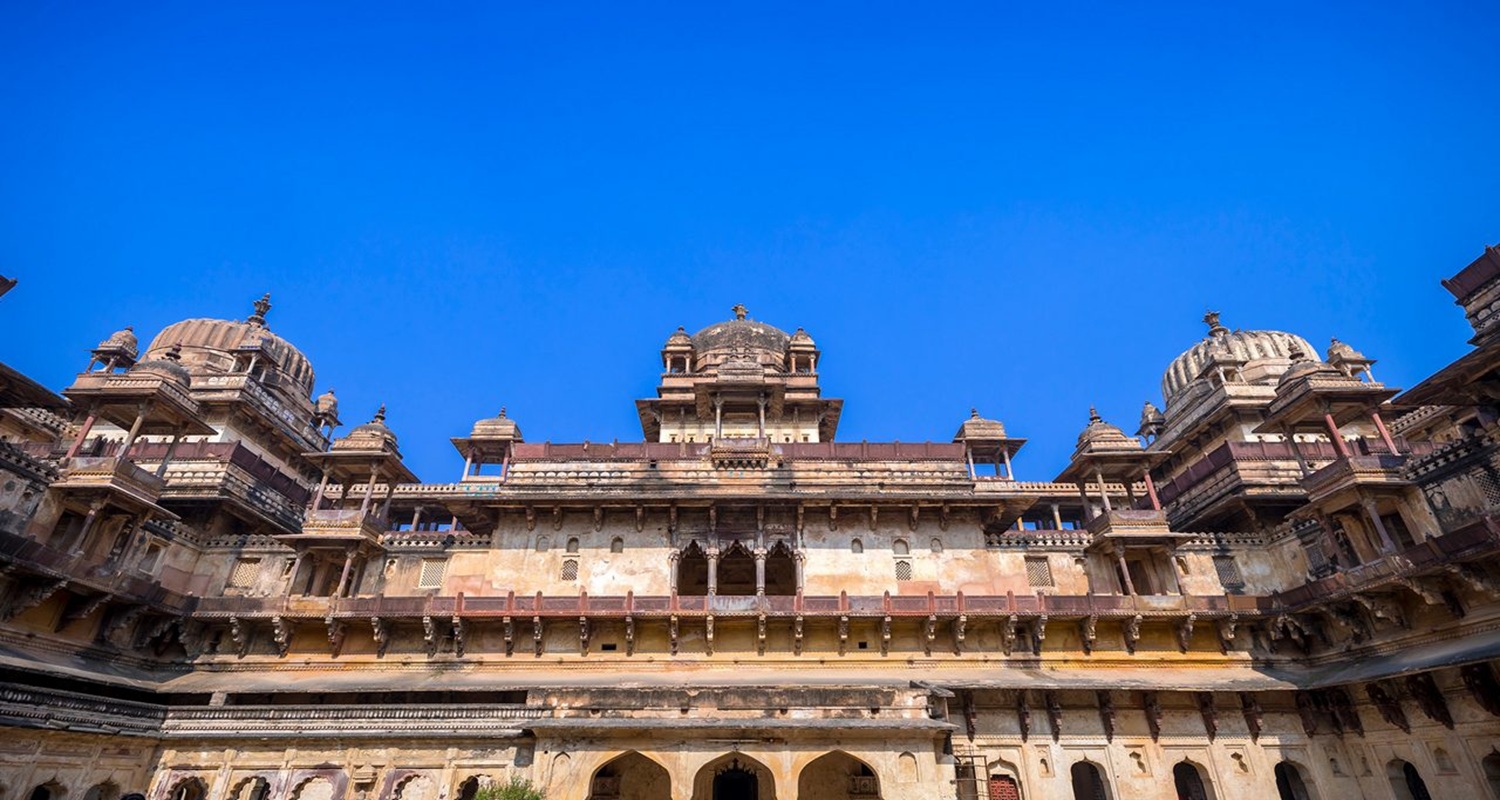
Jahangir Mahal, Orchha
Jahangir Mahal is a historic palace located in Orchha, Madhya Pradesh, India. Built in the 17th century by Raja Bir Singh Deo of the Bundela dynasty, the palace was constructed to honor the visit of the Mughal Emperor Jahangir to Orchha. The architecture of Jahangir Mahal is a stunning blend of Mughal and Rajput styles, featuring grand gateways, ornate balconies, domes, and delicate latticework. Strategically positioned, the palace also served a defensive purpose, overlooking the Betwa River and the surrounding countryside.
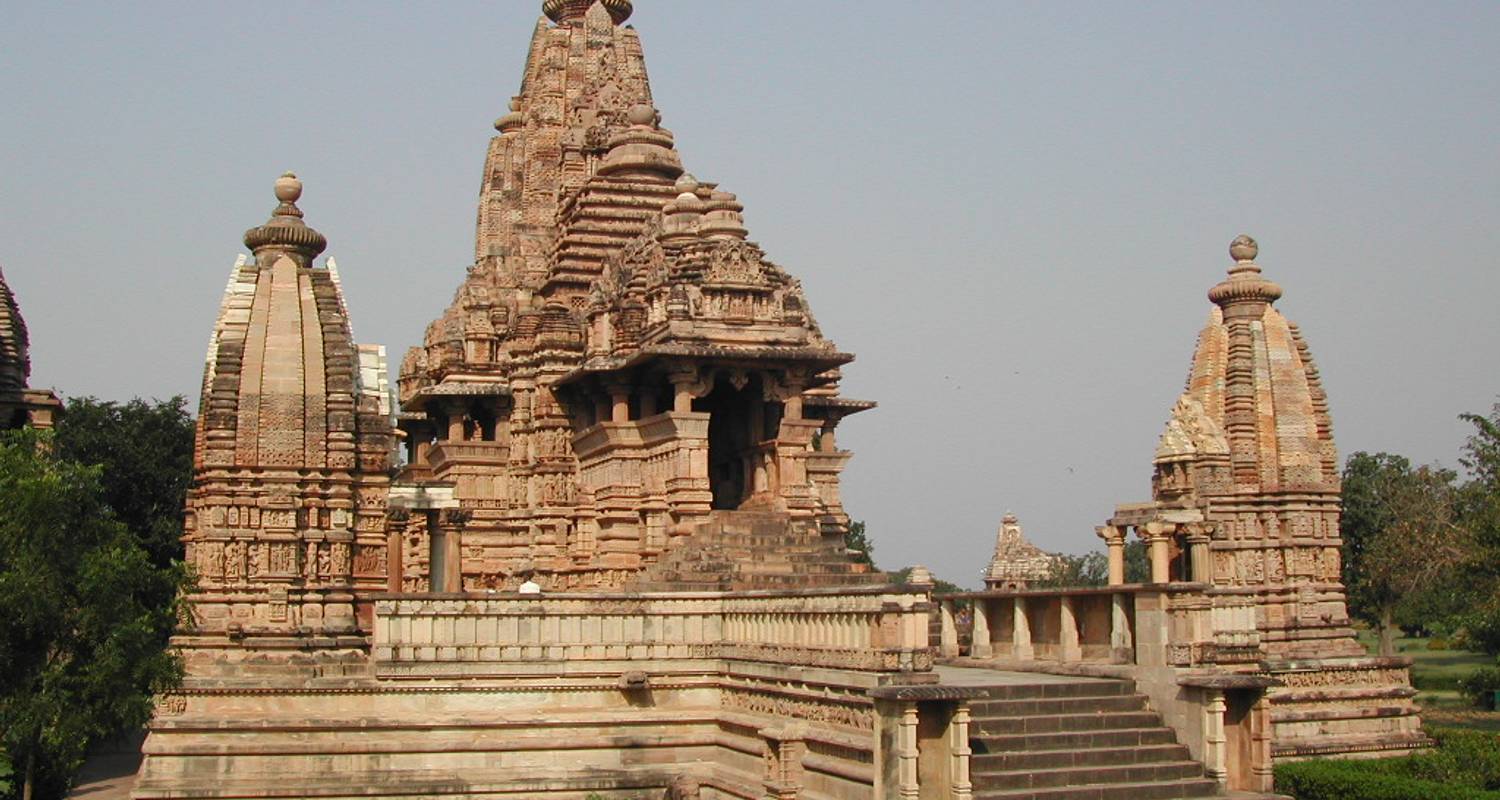
The Khajuraho Temples
The Khajuraho Temples are a group of magnificent Hindu and Jain temples located in Madhya Pradesh, India, famous for their stunning architecture and intricate erotic sculptures. Built between the 9th and 12th centuries by the Chandela dynasty, these temples reflect a celebration of life, love, and spirituality.
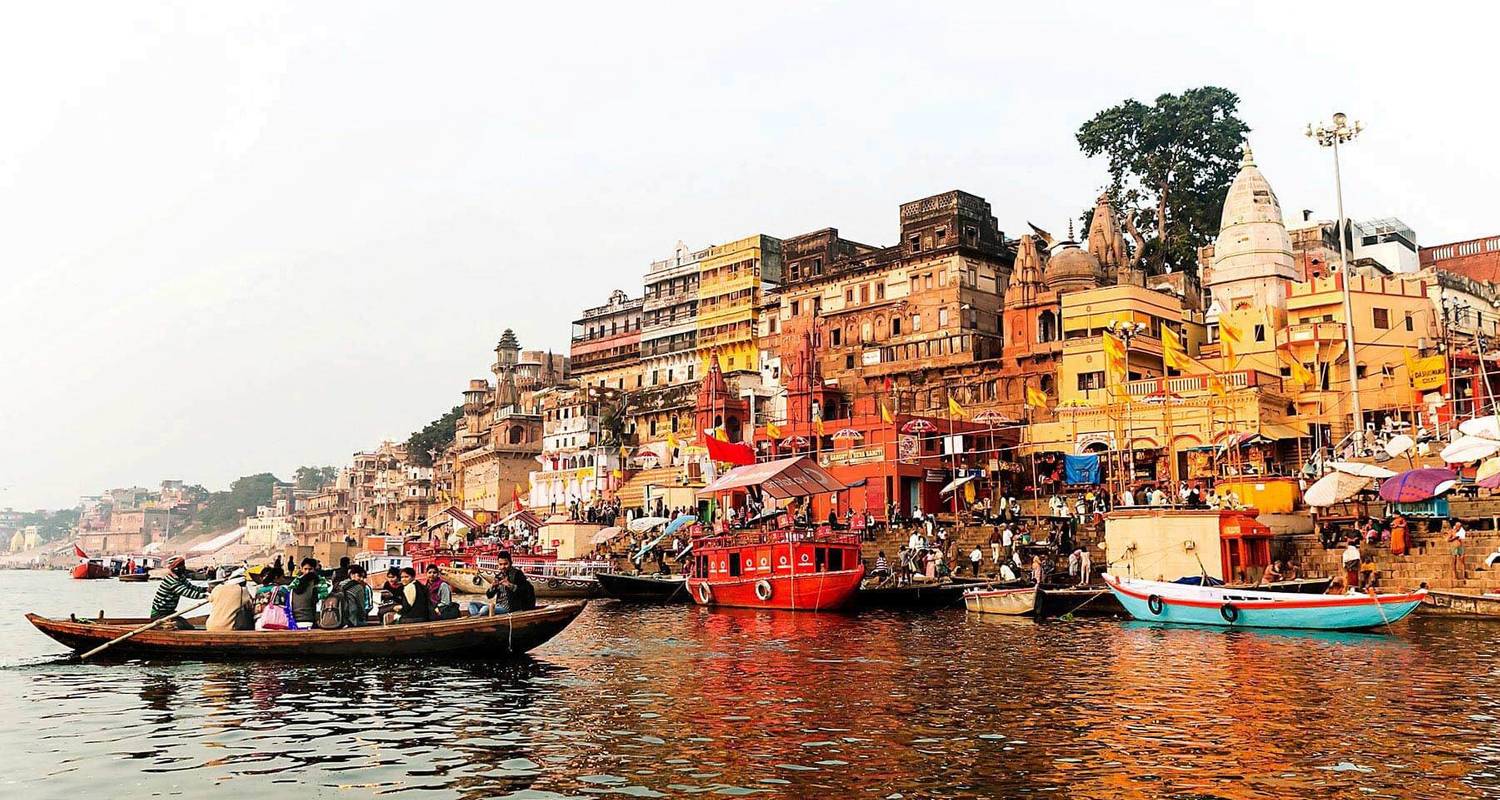
Morning boat ride on the Ganges, Varanasi
A morning boat ride on the Ganges in Varanasi is a serene and spiritual experience. As the sun rises, the river glows with golden hues, and the ghats come alive with rituals, chants, and the fragrance of incense. You drift past centuries-old temples, pilgrims bathing in the sacred waters, and sadhus meditating on the steps. The calm of the river contrasts with the vibrant life onshore, offering a profound glimpse into the spiritual heart of India.
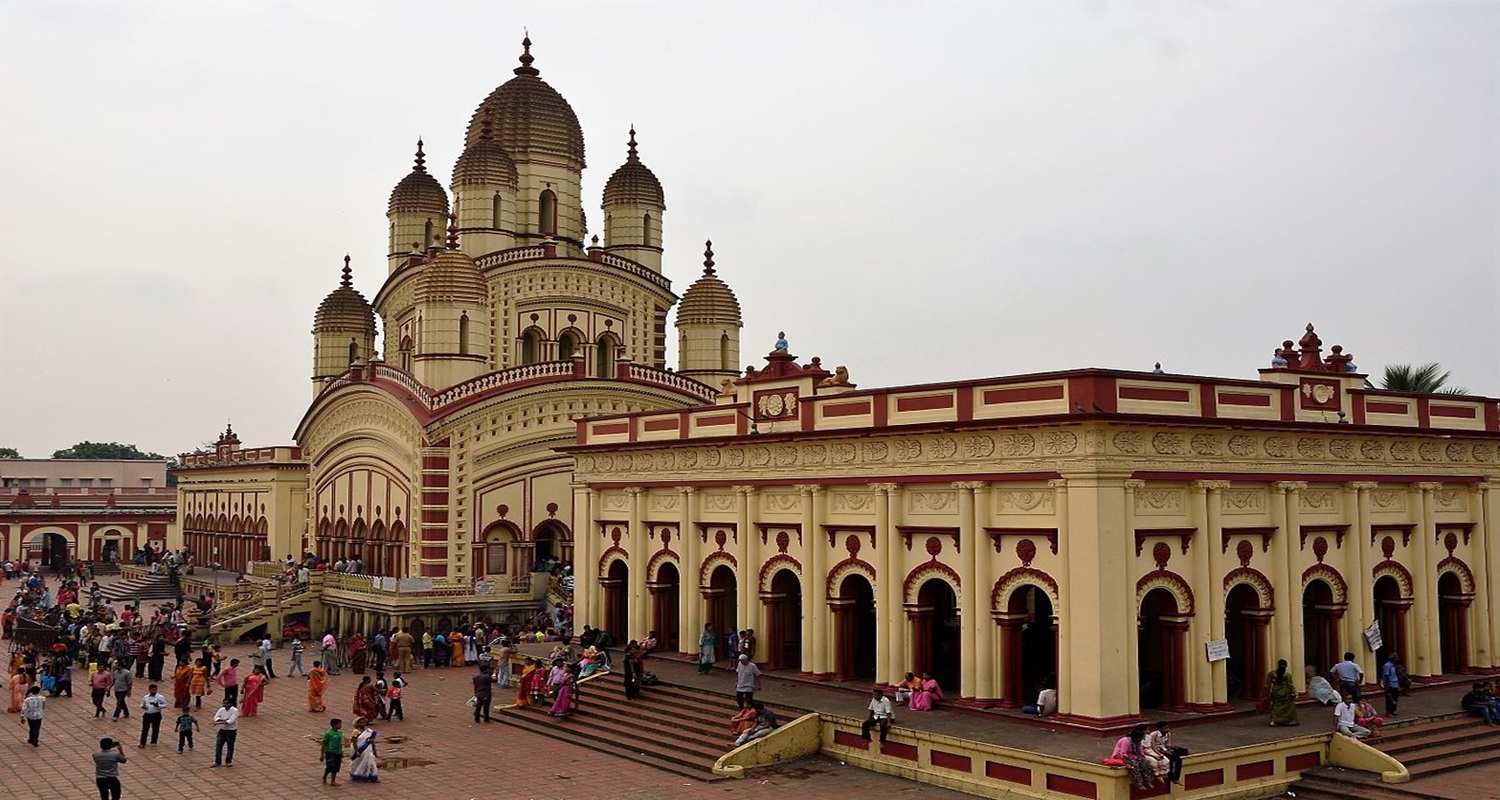
Dakshineshwar Kali Temple, Kolkata
Dakshineshwar Kali Temple, located on the banks of the Hooghly River in Kolkata, is a renowned 19th-century Hindu temple dedicated to Goddess Kali. Built by Rani Rashmoni in 1855, the temple is famous for its grand Navaratna-style architecture and spiritual significance. It is closely associated with the revered saint Sri Ramakrishna, who served here as a priest and attained divine realizations. Today, it remains a major pilgrimage site, attracting devotees and visitors from around the world.
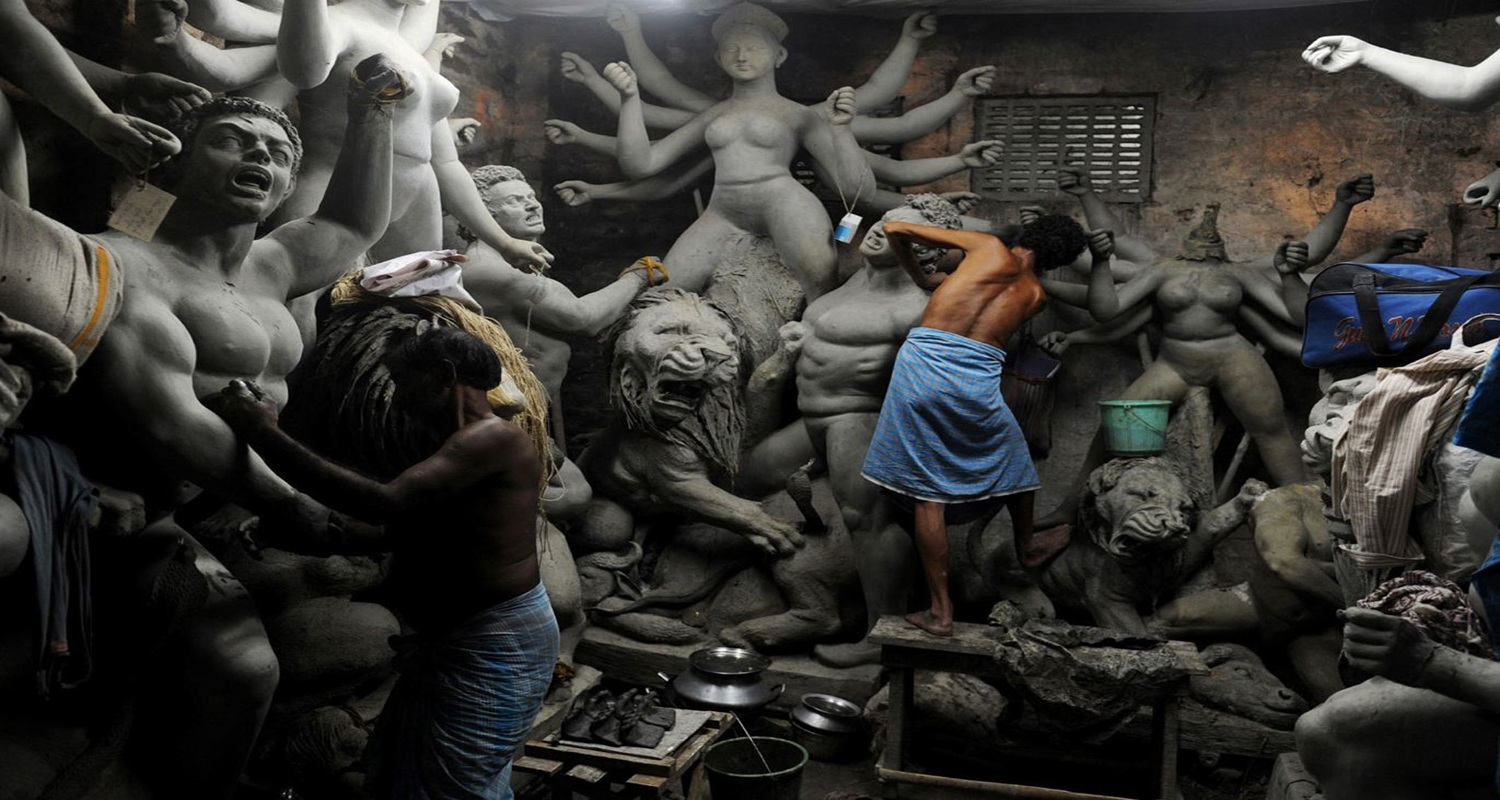
Kumar Tuli, Kolkata
Kumar Tuli in Kolkata is a traditional potters’ quarter famous for crafting clay idols of Hindu deities, especially for the Durga Puja festival. The narrow lanes are lined with workshops where artisans skillfully shape and paint idols, showcasing a centuries-old heritage of artistry. It is not just a cultural hub but also a living gallery that reflects Kolkata’s deep-rooted traditions and creative spirit.
· Confirmation will be Sent within 48 hours of booking Request and on subject to availability.
· Child below 5 year is free.
· No strict dress code is enforced at tour sites. However, please be advised to dress accordingly for places of worship; shorts or sleeveless tops are not recommended.
· Please advise any specific dietary requirements at time of booking A moderate amount of walking is involved; comfortable walking shoes and sunglasses/sunscreen are highly recommended.
· Elephant Ride remains closed during Navratri Festival