The Experience
The Story of Your Journey
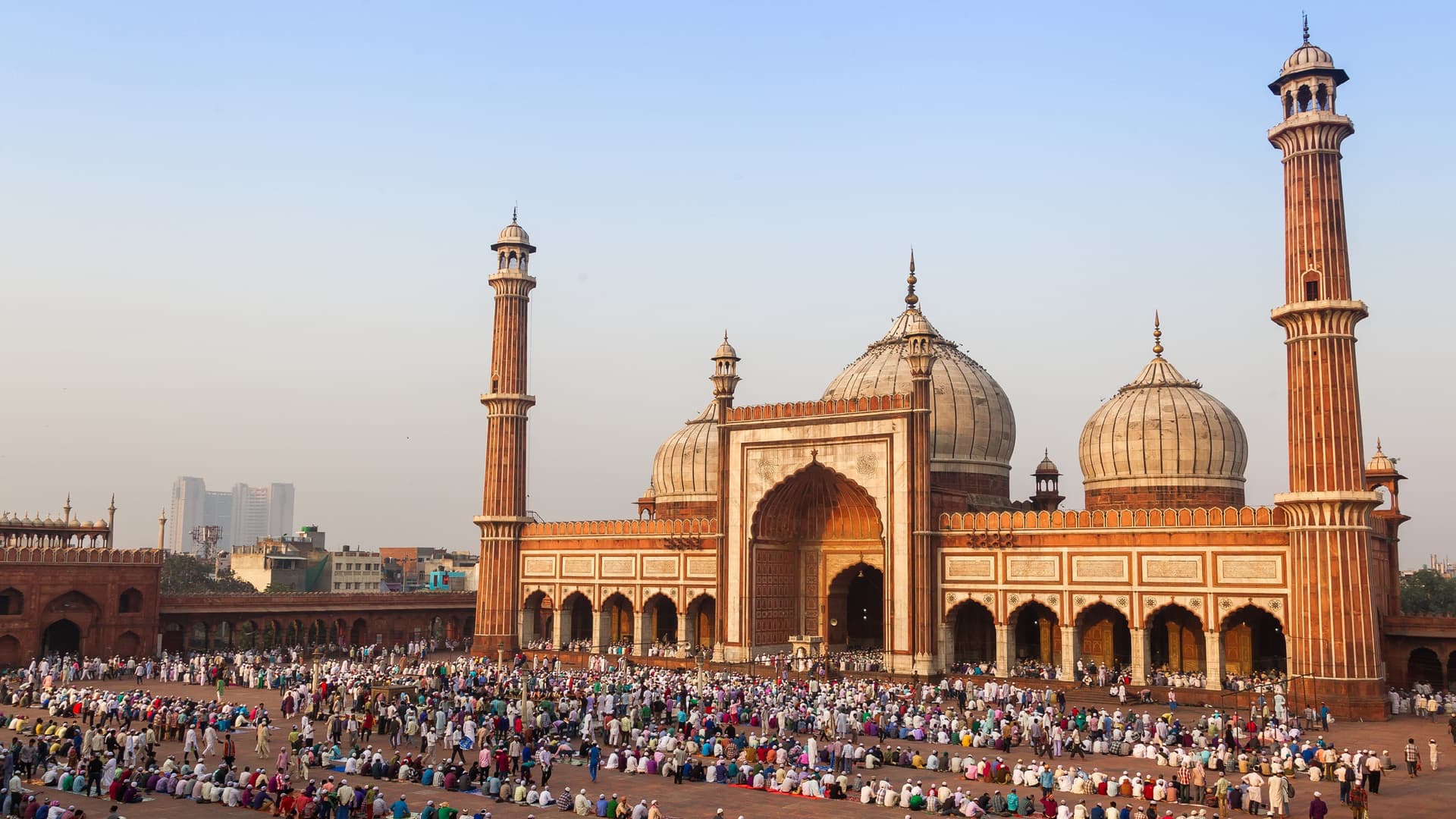
Your adventure begins in the dynamic capital, were Old Delhi’s winding lanes and Jama Masjid whisper tales of empires past. From there you traverse the desert forts and royal palaces of Rajasthan — Mandawa’s painted havelis, Bikaner’s imposing Junagarh Fort, the “Golden City” of Jaisalmer rising from the sands, and Jodhpur’s Blue City beneath the thunderous walls of Mehrangarh. In Udaipur’s lakeside elegance you’ll drift through reflections of royal legacy, stroll through grand palaces, and capture the romance of a bygone era. Pushkar’s spiritual calm offers a contrasting rhythm of sacred waters and ancient temples. Jaipur reveals its “Pink City” shimmer, fortresses, and astronomical marvels. Then you journey toward indo-Mughal splendor in Agra: the ivory-marble elegance of the Taj Mahal, the mighty red sandstone of Agra Fort, and the silent beauty of the Baby Taj. In the final chapter of your voyage, you arrive in Varanasi — the sacred river city where morning boat rides on the Ganges meet evening aartis of fire and chant, and the nearby Buddhist sanctuary of Sarnath invites reflection. Throughout this tour you’ll be immersed in royal heritage, desert vistas, spiritual rituals and vibrant culture. Designed for curious travellers seeking rich contrasts — from palatial opulence to serene devotion, from desert dunes to river ghats — this experience blends luxury, tradition and discovery. Journey through India’s majestic past and timeless spirituality, and emerge with stories, images and memories to last a lifetime.
Pickup
Indira Gandhi International Airport
Drop-off
Indira Gandhi International Airport
Tour Highlights
Highlights of Your Journey
Taj Mahal
Journey Timeline
Day by Day Itinerary
Information on your day to day sightseeing.
Welcome to Delhi, The capital of India. Your flight would land at Indira Gandhi International Airport. After landing kindly head towards the immigration department and get your passport stamped. Im-migration Department would stamp the Visa on your Passport. After the Immigration and Custom check Kindly Take an Exit from the Airport from Exit Gate No 4. My Tour Advisor’s Representative would be waiting you for your welcome outside the Gate. After the Meet Proceed towards the visit of the capital of India.
Delhi, India’s captivating capital, is not just a city, it’s a journey through time. From the legendary Indraprastha of the Mahabharata to the grandeur of the Mughals and the elegance of British colonial rule, Delhi has been the stage where history was written. Here, ancient bazaars buzz with spices and silks, while majestic monuments whisper tales of empires long gone. Yet, beyond its history, Delhi is alive with vibrant traditions, mouthwatering street food, colorful festivals, and a cosmopolitan spirit. It is a city where every corner offers a discovery—whether it’s a rickshaw ride through the chaotic lanes of Chandni Chowk or a stroll past Lutyens’ stately avenues. For travelers, Delhi is not just a destination, but the perfect gateway to experience the soul of India.
Full Day Dedicated to the exploration of the city. The day would start from the visit of Chandani chowk and Jama Masjid, one of the largest and most impressive mosques in India. Built by Mughal Emperor Shah Jahan in the 17th century, this architectural marvel features grand red sandstone courtyards, intricate marble inlay, and towering minarets that offer panoramic views of the city. The mosque’s serene atmosphere provides a striking contrast to the bustling streets outside. From here, dive into the vibrant chaos of Chandni Chowk, Delhi’s oldest and busiest market. Enjoy a ride on cycle rickshaw passing centuries-old shops, taste famous street food and explore treasures ranging from spices and textiles to silver jewelery. Explore the famous spice market Khari Baowli - Asia’s largest spice market. Afterwards drive through the Lutyens Delhi. designed by British architect Sir Edwin Lutyens, is the heart of India’s capital. It features wide boulevards, grand gardens, and iconic landmarks like President house, India Gate, and Parliament House. End your day with the visit of Humayun’s Tomb, a UNESCO World Heritage Site, it is a splendid ex-ample of Mughal architecture and the first garden tomb in India. Built in the 16th century by Empress Bega Begum for Emperor Humayun, its grand red sandstone structure with white marble domes later inspired the design of the Taj Mahal. Surrounded by Charbagh-style gardens, intricate arches, and Persian influenced details, the monument reflects the glory of the Mughal era. After the visit return to the hotel. Overnight stay in Delhi.
Breakfast
Accommodation
Transport
Sightseeing
Mandawa, located in Rajasthan’s Shekhawati region, is a charming town famed for its stunning painted havelis (traditional mansions). Once a prosperous stop on ancient trade routes, Mandawa flourished under wealthy merchant families who built grand residences adorned with intricate frescoes, murals, and ornamental architecture. The Mandawa Fort, now a heritage hotel, overlooks the town’s maze of narrow streets and richly decorated buildings. Notable havelis include the Jhunjhun-wala Haveli, Goenka Haveli, and Murmuia Haveli, showcasing themes from mythology, colonial life, and daily village scenes. Today, Mandawa is often called an open-air art gallery, attracting heritage lovers and photographers worldwide.
After the Breakfast, Drive towards Mandawa. On Arrival check-in to the Hotel and In the afternoon Visit of the Town with Its Havelis. As mentioned above notable havelis include the Jhunjhunwala Haveli, Goenka Haveli. These were the houses of rich merchants mostly abandoned now but speaks volumes of their rich history and take you in the bygone era. After the visits return to the Hotel. Overnights Stay at Mandawa.
Breakfast
Accommodation
Transport
Sightseeing
Bikaner, a captivating desert city in northwest Rajasthan, offers a perfect blend of royal heritage, vi-brant culture, and timeless desert charm. Founded in 1488 by Rao Bika, the city flourished as a major trade route hub between Central Asia and Gujarat, leaving behind a legacy of wealth and artistry. The magnificent Junagarh Fort, an architectural masterpiece of red sandstone and marble, showcases ex-quisite courtyards, balconies, and frescoes that narrate tales of Bikaner’s glorious past. The city’s Karni Mata Temple in Deshnok, known as the “Rat Temple,” adds a unique spiritual touch, while the National Camel Research Centre highlights its deep desert connection. Strolling through Bikaner’s bustling bazaars reveals colorful handicrafts, jewelry, and the world-famous Bikaneri bhujia. With its regal architecture, golden sands, and warm hospitality, Bikaner stands as a true gem of Rajasthan, offering travel-ers an authentic experience of desert life and royal grandeur.
After the breakfast transfer to Bikaner. On Arrival check-in to the Hotel. In the After Visit the Junagarh Fort - located in Bikaner, Rajasthan, It is one of the few major forts in India not built on a hilltop. Constructed in 1589–1594 by Raja Rai Singh, a general in the Mughal army, the fort is renowned for its blend of Rajput, Mughal, and Gujarati architectural styles. Unlike many forts, Junagarh has never been conquered, adding to its historic prestige. Inside the fort complex are palaces, courtyards, balconies, temples, and pavilions, each richly decorated with marble, mirror work, frescoes, and intricate carvings. Notable structures include Anup Mahal, Badal Mahal, and Phool Mahal. The fort also houses a museum showcasing royal artifacts, costumes, and weapons. Surrounded by a high stone wall with bastions, Junagarh Fort stands as a majestic symbol of Bikaner’s royal legacy and architectural brilliance. Later explore the old town with its markets and Havelis which still hold the old time charm. Later return to the Hotel. Overnight stay in Bikaner.
Breakfast
Accommodation
Transport
Sightseeing
Jaisalmer, often called the "Golden City", is a mesmerizing desert town in Rajasthan, known for its golden-hued sandstone architecture and majestic Thar Desert landscapes. Founded in 1156 AD by Rawal Jaisal, the city is crowned by the magnificent Jaisalmer Fort, a living fort that still houses shops, homes, and temples. The fort and the intricately carved Havelis like Patwon Ki Haveli and Salim Singh Ki Haveli reflect the city's rich artistic and architectural legacy. Jaisalmer is also famous for its sand dunes, camel safaris, and vibrant folk music and dance that bring the desert to life. Attractions like Gadisar Lake, Vyas Chhatri, and Jain Temples add spiritual and historical charm. The city’s golden glow at sunset, coupled with its royal heritage and warm hospitality, makes Jaisalmer a must-visit destination for those seeking a blend of history, culture, and desert adventure.
Breakfast at the hotel and proceed to Jaisalmer, crossing almost all of the Thar desert, on the border with Pakistan. On arrival check in to the hotel. In the Afternoon visit the Vyas ki Chattari, the cenotaphs of the royal family. Located on the edge of Jaisalmer city in Rajasthan, It is a group of beautifully carved cenotaphs (chhatris) dedicated to Sage Vyas, the legendary author of the Mahabharata. These golden sandstone structures are built on a small hill and offer a peaceful setting with stunning views of Jaisalmer Fort, especially during sunset. Though it is a cremation ground, the site is visited for its architectural beauty, quiet ambiance, and cultural significance. The chhatris feature intricately carved pillars, domes, and canopies, showcasing classic Rajput craftsmanship. It’s a lesser-known yet atmospheric spot for history lovers and photographers alike. After the visit return to the hotel for dinner. Overnight stay in Jaisalmer.
Breakfast
Accommodation
Transport
Sightseeing
After breakfast visit the Jaisalmer Fort Complex, also known as Sonar Quila or the Golden Fort, built in 1156 AD by Rawal Jaisal, it rises like a golden mirage from the Thar Desert, constructed entirely of yellow sandstone that glows brilliantly in the sunlight. Unlike most forts, Jaisalmer Fort is a living fort—home to thousands of people, with houses, temples, shops, and hotels within its massive walls. The fort features two famous Jain Temples. Made from golden-yellow sandstone, the temples are renowned for their exquisite carvings, detailed sculptures, and intricate architecture, the interiors are adorned with images of deities, celestial dancers, animals, and mythological scenes, all finely chiselled in sandstone. After the visits proceed towards the havelis located in the city. The most famous among them are Patwo ki Haveli and Nathmal ki haveli. The Havelis of Jaisalmer are grand mansions built by wealthy merchants during the 18th and 19th centuries, showcasing the city’s rich artistic and architectural legacy. Made from golden Jaisalmer sandstone, these havelis are adorned with intricately carved facades, jharokhas (balconies), latticed windows, and detailed frescoes that reflect a blend of Rajput and Mughal styles. After the havelis proceed towards the Ghadisar Lake, built in the 14th century by Maharawal Gadsi Singh, is a tranquil oasis on the edge of the Golden City, Jaisalmer. Once the main water source for the city, it is now a peaceful retreat surrounded by artistically carved ghats, temples, and shrines. Gadsisar Lake offers a perfect blend of history, spirituality, and natural beauty. After the visit return to the hotel for your lunch in a fine dining restaurant. In the late afternoon proceed towards the Sam Sand dunes for a ride on Camel and to explore the sand dunes at setting sun. Return to the hotel for dinner. Overnight stay in Jaisalmer.
Breakfast
Accommodation
Transport
Sightseeing
Jodhpur, known as the "Blue City", is a historic city in Rajasthan, famous for its striking blue-painted houses and majestic Mehrangarh Fort that towers over the city. Founded in 1459 by Rao Jodha, it was the capital of the Marwar kingdom. Jodhpur offers a blend of royal heritage, vibrant bazaars, and desert charm. Key attractions include Mehrangarh fort, Jaswant Thada, and bustling markets near the Clock Tower. Jodhpur is also widely celebrated for its exquisite handicrafts, which reflect the city’s rich cultural heritage and skilled craftsmanship. Among the most famous is its hand-carved wooden furniture, often made from Sheesham (Indian rosewood) or mango wood. The city is also known for its metal crafts, es-pecially decorative items made from iron, brass, and copper such as lanterns, candle stands, and vases. In addition, textile arts thrive in Jodhpur, with vibrant bandhani (tie-dye) and leheriya fabrics, hand-block printed materials, embroidered cushion covers, and quilts being in high demand. Leather goods made from camel leather, such as traditional mojari shoes and bags, are also a specialty, often featuring colorful embroidery or embossed patterns. Surrounded by the Thar Desert, Jodhpur captures the essence of Rajasthan’s regal past and colourful culture.
After breakfast, transfer to the Jodhpur. On the way take a stop at an Local Indian restaurant for Lunch. On arrival visit of the Mehrangarh Fort - Perched on a rocky hill 400 feet above Jodhpur, it is one of the largest and most majestic forts in India. Built in 1459 by Rao Jodha, the founder of Jodhpur, the fort is enclosed by thick stone walls and offers panoramic views of the Blue City below. The Mehrangarh Museum showcases royal artifacts, weapons, costumes, and miniature paintings. Mehrangarh Fort stands as a symbol of Rajasthan’s royal heritage, valour, and architectural brilliance. After the Visit proceed towards Jaswant Thada It is a beautiful white marble cenotaph built in 1899 by Maharaja Sardar Singh in memory of his father, Maharaja Jaswant Singh II, it serves as a royal cremation ground for the Marwar rulers. Often called the "Taj Mahal of Marwar", Jaswant Thada is known for its elegant Rajput architecture, intricately carved marble lattice screens (jalis), and peaceful atmosphere. Afterwards proceed towards the Hotel for check-in. Dinner at the hotel. Overnight stay in Jodhpur After the visit take a walk in the old city with its colorful Markets and Historical Buildings. Afterwards proceed towards the Hotel for check-in and Overnight Stay.
Breakfast
Accommodation
Transport
Sightseeing
Ranakpur Jain Temple, located in the serene Aravalli hills of Rajasthan, is one of the most spectacular and important Jain temples in India. Dedicated to Tirthankara Adinatha, it was built in the 15th century during the reign of Rana Kumbha and is renowned for its marble architecture, spiritual ambiance, and intricate craftsmanship. The temple complex covers around 48,000 square feet and is supported by 1,444 uniquely carved marble pillars, no two of which are alike. The temple features shikharas (spires), domes, and detailed sculptures that depict deities, dancers, and celestial beings with breathtaking precision. Apart from the main temple, the complex includes smaller shrines dedicated to other Jain Tirthankaras and deities. Set amid forested hills, Ranakpur offers a peaceful, meditative experience, drawing not just devotees but also lovers of art, history, and architecture from around the world.
After the breakfast transfer to Udaipur via Ranakpur. The Temple complex opens at 12 PM for the vis-its. Arrive and visit the spectacular temple complex, steeped in history and spirituality. Some considers it Rajputana equivalent of Taj Mahal. After the visit proceed towards Udaipur. On Arrival in Udaipur check-in to the Hotel, Overnight Stay in Udaipur.
Breakfast
Accommodation
Transport
Sightseeing
UDAIPUR - known as the "City of Lakes", is a stunning city in Rajasthan, famous for its serene lakes, royal palaces, and romantic ambiance. Founded in 1559 by Maharana Udai Singh II, it served as the historic capital of the Mewar Kingdom. The city’s crown jewel is the City Palace, overlooking the shimmering Lake Pichola, home to the iconic Lake Palace and Jag Mandir. Udaipur’s charm lies in its heritage architecture, vibrant markets, colorful festivals, and cultural performances. Surrounded by the Aravalli Hills, Udaipur offers a perfect blend of natural beauty, history, and royal elegance, making it a beloved destination.
After breakfast proceed towards the visit of City Palace, it is one of the largest and most majestic palace complexes in Rajasthan, located on the eastern banks of Lake Pichola. Built by Maharana Udai Singh II in 1559, and expanded over 400 years by successive rulers, the palace showcases a blend of Rajput, Mughal, European, and Chinese architectural styles. Constructed with granite and marble, the City Palace is a stunning complex of palaces, courtyards, pavilions, terraces, hanging gardens, and balconies. Inside, visitors can explore the City Palace Museum, which houses royal artifacts, vintage weapons, costumes, and paintings. Highlights include Mor Chowk (Peacock Courtyard), Sheesh Mahal (Mirror Palace), Zenana Mahal, and Krishna Vilas. From its balconies and towers, the palace offers panoramic views of Lake Pichola, the Lake Palace, and the Aravalli Hills. It's not just a historic site, but a living legacy of Mewar's royal heritage. Afterwards proceed towards the visit of Jagdish Temple, It is one of the most prominent and historic temples in Udaipur, located just outside the City Palace complex. Built in 1651 by Maharana Jagat Singh I, it is dedicated to Lord Vishnu, worshipped here as Jagannath (Lord of the Universe).. The main shrine houses a stunning four-armed black stone idol of Vishnu, carved from a single piece of stone. The temple is richly decorated with intricate carvings, elaborate pillars, beautiful ceilings, and sculptures of gods, elephants, dancers, and musicians. In the evening enjoy a mesmerizing Boat Ride at Lake Pichola, It is one of the most serene and magical experiences the city offers. Surrounded by the Aravalli Hills and dotted with architectural marvels, the calm waters reflect the golden hues of the palaces and the sky, especially at sunrise or sunset, making it an unforgettable experience. The ride often includes a stop at Jag Mandir, where you can explore its gardens and enjoy lake views. After the Boat head towards the Dharohar Auditorium famous for cultural and folk dances of Rajasthan. It is a vibrant celebration of Rajasthan’s rich traditions. It showcases colorful folk dances, soul-ful music, and age-old storytelling. Performances like the graceful Ghoomar, fiery Kalbeliya, and the thrilling Bhavai—where dancers balance multiple pots—captivate audiences with their artistry. The intimate courtyard setting, with its rustic charm and warm atmosphere, makes you feel connected to Rajasthan’s living heritage. This one-hour show is more than entertainment—it’s a cultural journey that brings alive the spirit, rhythm, and colors of Rajasthan. Later return to the hotel. Overnight Stay in Udaipur.

Breakfast
Accommodation
Transport
Sightseeing
Chittorgarh Fort, located in Rajasthan, is one of the largest and most historic forts in India, symbolizing Rajput valor, sacrifice, and heroism. Spread over 700 acres on a hilltop, it was the capital of Mewar and witnessed several epic sieges. Built in the 7th century, it houses grand palaces like Rana Kumbha Palace, the Vijay Stambh (Tower of Victory), the Kirti Stambh, and revered temples. The fort is also known for the legendary tales of Rani Padmini and Rani Karnavati, who committed jauhar (self-immolation) to pro-tect their honor. Today, it stands as a UNESCO World Heritage Site and a proud reminder of Rajputana heritage.
After Breakfast transfer to Pushkar via Chittorgarh. Arrival and visit of the fort city. After the Visit transfer to Pushkar, arrival and check-in to the Hotel, Overnight Stay in Pushkar.
Breakfast
Accommodation
Transport
Sightseeing
Pushkar, a sacred town in Rajasthan, is renowned for its spiritual energy, holy lake, and the world’s only Brahma Temple. Surrounded by the Aravalli Hills, this small yet vibrant city attracts pilgrims, travelers, and seekers from around the globe. The Pushkar Lake, with its 52 ghats, is considered holy, where devo-tees take ritual baths. The city comes alive during the annual Pushkar Camel Fair, blending culture, trade, and festivity. Pushkar’s charm lies in its ancient temples, colorful bazaars, rooftop cafés, and desert scenery. It’s a perfect blend of devotion, tradition, and bohemian vibe, making it truly unique among Indian pilgrimage towns.
After Breakfast visit the Famous Brahma Temple and stroll the markets of Pushkar with a visit to the Pushkar Lake. After the Visit Transfer to Jaipur. On Arrival Check-in to the Hotel for Overnight Stay
Breakfast
Accommodation
Transport
Sightseeing
Jaipur as a city came in to existence in the year 1727 when current Maharaja Jai Singh decided to build a new city to accommodate the rising population of the city. He envisioned a planned city, drawing on scientific and architectural principles of the time, making it one of India's first planned cities. The city's lay-out, based on Vastu Shastra and Shilpa Shastra, features a grid-iron plan with nine sectors. Jaipur's historical walled city was completed within four years, showcasing a blend of ancient and contemporary architectural styles.
After breakfast, drive towards Amber Fort with a photo stop at Hawa mahal (wind Palace). The fort is perched atop a hill. You can choose to reach up to the top of the hill on an elephant (on direct payment) or in jeep. The fort is famous for its stunning red sandstone and marble structures which includes various courtyards, buildings and pavilions. The most famous structures are Ganesh Pol – the Main entrance gate. The Sheesh Mahal (Mirror Palace) and royal chambers. After the visit take a photo stop at Jal mahal – the lake Palace of Jaipur After wards Visit the City Palace Jaipur, located in the heart of the Pink City, the complex includes courtyards, gardens, and several buildings. Its museum has a vast collection of royal costumes, arti-facts, textiles & antique furniture. Later proceed to visit the Jantar Mantar Observatory, it's one of the most well-preserved and largest astronomical observatories in the world. It includes sophisticated tools for the calculation of eclipses and for the detection of the position of stars, the calculation of ascendants. The principal at-traction of the building is 27-meter-high sundial which is located in the center of the observatory. After the visit explore the old city and its vibrant market. After the foundation of the city Jaipur attracted skilled artisans, craftsmen, and merchants from various parts of India to settle here. This led to a flourishing arts and crafts industry, with skilled craftsmen specializing in gem cutting, jewellery making, block printing, Textiles, and miniature paintings. Today Jaipur has become a paradise for shoppers. later return to the hotel for dinner. Overnight stay in Jaipur.
Breakfast
Accommodation
Transport
Sightseeing
After a sumptuous breakfast, Start your drive towards Agra, Along the way take a stop at Abhaneri Step Well - Also called as Chand Baori, It is one of the most remarkable stepwells in India and a fine example of ancient engineering and architecture. Built in the 9th century by King Chand of the Nikumbh dynasty, this massive structure was designed to conserve water in the arid desert climate. The stepwell descends about 20 meters and features over 3,500 narrow steps arranged in a symmetrical, crisscross pattern across 13 levels, creating a striking geometric design. Its clever construction ensured that the water remained cool, making it a vital source for drinking, irrigation, and community needs. After the Visit Proceed towards Fatehpur Sikri, located about 40 kilometers west of Agra, It is a UNESCO World Heritage Site and one of the finest examples of Mughal architecture in India. Built in the late 16th century by Emperor Akbar the Great, it served as the capital of the Mughal Empire for a brief period from 1571 to 1585. Akbar constructed this magnificent city to honor the Sufi saint Sheikh Salim Chishti, who had blessed him with the prophecy of a male heir. The city is a blend of Islamic, Hindu, and Persian architectural styles, showcasing Akbar’s vision of a unified empire. After the visit proceed towards Agra, On arrival in Agra transfer to the Hotel for check-in. Overnight stay in Agra.
Breakfast
Accommodation
Transport
Sightseeing
Agra is a city steeped in history, heritage, and architectural splendor. Best known as the home of the Taj Mahal, one of the Seven Wonders of the World, Agra draws millions of visitors from across the globe. Once the capital of the Mughal Empire, the city showcases stunning examples of Mughal architecture, including the majestic Agra Fort and Baby Taj. Beyond its monuments, Agra offers a rich cultural experience with bustling markets, traditional crafts like marble inlay work, and flavorful Mughlai cuisine. Agra is not just a destination—it is an unforgettable journey through time, beauty, and imperial legacy.
After Breakfast proceed towards the visit of Taj Mahal- built by Emperor Shahjahan for his beloved wife Mumtaz Mahal. Taj Mahal is not just a monument—it's a timeless poem in white marble, a symbol of undying love etched into history. Skilled craftsmen from Persia, Turkey, France and Italy and some 20,000 laborers worked for 17 years to build this edifice. Marble was brought from Makrana near Jodhpur and precious stones of onyx, amethyst, malachite, lapis lazuli, turquoise, jade, crystal and mother of pearl were carried from Persia, Russia, Afghanistan, Tibet and China. It is, truly, love immortalized in stone. After the visit return to the hotel for breakfast Later proceed towards the Agra Fort. It is a majestic red sandstone fortress located on the banks of the Yamuna River in Agra. Built primarily by Emperor Akbar in the 16th century and later expanded by his successors, the fort served as the main residence of the Mughal emperors. Enclosed within massive walls are a series of elegant palaces, audience halls, and mosques, including the Jahangir Mahal, Diwan-i-Khas, and Moti Masjid. A fine example of Mughal architecture, blending Islamic and Hindu elements, Agra Fort offers a glimpse into royal life and India's rich historical legacy. End your day with a visit to Mehtab Bagh, meaning “Moonlight Garden,” It is a Charbagh-style garden complex located across the Yamuna River, directly opposite the Taj Mahal. Built by Emperor Babur in the 16th century, it was later restored by Shah Jahan to serve as the perfect viewing point for the Taj. The beautifully aligned garden offers a serene atmosphere, with fountains, pavilions, and walkways designed to frame the monument’s reflection in the river. Best visited at sunset, Mehtab Bagh pro-vides a breathtaking perspective of the Taj Mahal away from the crowds, making it a photographer’s paradise and a peaceful retreat. After the visit proceed towards Hotel. Overnight Stay at Agra
Breakfast
Accommodation
Transport
Sightseeing
Varanasi, also known as Kashi or Banaras, is one of the oldest continuously inhabited cities in the world and a major spiritual hub in India. Located on the banks of the Ganga River in Uttar Pradesh, it is considered the spiritual capital of India. The city is sacred to Hindus, Buddhists, and Jains, and is famous for its ghats, ancient temples, and ceremonial aartis. People come here to seek moksha (liber-ation), perform last rites, or simply experience its timeless mysticism. With its rich blend of faith, cul-ture, music, and learning, Varanasi leaves a lasting impact on every visitor.
Early morning transfer to railway station to catch the train for Varanasi. Breakfast on board. The train departs at 6 am in the morning. After a 7 hours Journey you would arrive at Varanasi railway Station. On Arrival meet with My Tour Advisor’s Representative and transfer to your hotel. In the afternoon head out to visit the Buddhist complex of Sarnath. Take your Lunch at a local traditional Indian restaurant. Afterwards visit the Sarnath Buddhist complex. It is one of Buddhism’s most sacred sites. It is where Lord Buddha gave his first sermon after attaining enlightenment, known as the Dharmachakra Parivartan (Turning of the Wheel of Dharma). The site features important monuments like the Dhamek Stupa, Chau Khandi Stupa, and the Ashokan Pillar with its lion capital, India’s national emblem. Sarnath also houses a rich archaeological museum showcasing ancient artifacts and sculptures. Peaceful and spiritually significant, Sarnath attracts pilgrims and history enthusiasts from around the world, offering a deep insight into the early teachings and spread of Buddhism. In the late Afternoon head out towards Namo ghat to catch the boat to attend the ceremonial evening Aarti (Prayer) to Mother Ganges. Ganga Aarti is a captivating spiritual ritual held every evening at Dashashwamedh Ghat. As dusk falls, priests dressed in traditional attire perform the aarti with large brass lamps, synchronized chants, conch sounds, and incense, all offered to Mother Ganga. The atmosphere becomes divine, with glowing lamps, rhythmic mantras, and the river reflecting the golden light. Devotees and tourists gather on the Ghats and in boats to witness this mesmerizing ceremony. it symbolizes gratitude to the sacred river and invokes divine blessings. The Ganga Aarti is not just a ritual—it’s a soulful experience that touches every heart. After attending the Prayer return to the hotel. Overnight Stay in Varanasi.
Breakfast
Accommodation
Transport
Sightseeing
Wake up before dawn and head towards the Ghats to Experience the morning Boat ride on Ganges. Its a spiritually moving experience. As the first light of dawn touches the waters of the Ganga, the ghats come alive with a unique blend of devotion, ritual, and everyday life. From the boat, you witness priests performing aarti, devotees taking holy dips, yogis meditating, and locals beginning their day. The calm of the river, the golden sunlight, and the chants echoing from the ghats create a magical, almost timeless atmosphere. Afterwards visit the Kashi Vishwanath Temple and take a walk into the Narrow Alleys of the Old City. After the visit return to the Hotel, In the Afternoon Transfer to Varanasi Airport to catch the flight for Delhi. On arrival at Delhi airport, Transfer to International Terminal to Catch the flight for your on-ward Destination.
Breakfast
Accommodation
Transport
Sightseeing
Image Gallery
Discover the Journey in Pictures
Every photograph offers a glimpse of the destinations, experiences, and memories waiting to be made.
1 / 36Inclusions & Exclusions
Know what’s Included in the tour
Included
- Accommodation as per Itinerary on twin sharing with Bed and Breakfast Plan.
- Sightseeing & Transport by private Air-conditioned vehicle as per program.
- Flight from Varanasi – Delhi in Economy class with 15 kg of Check-in Luggage.
- Train from Agra to Varanasi in premium AC Class.
- Professional English-Speaking Guide.
- Rickshaw Ride in Old Delhi
- Camel Ride at Jaisalmer Sam Sand Dunes.
- Boat Ride at lake Pichola
- Boat Ride at Varanasi.
- Visit of Abhaneri Step well - An 8th Century Architectural Marvel
- 2 bottles of water per traveler per day
- Travel kit document bag
- One souvenir gift from My Tour Advisor.
- Private and personalized services.
- All taxes
- fees and handling charges
- GST (Goods and Services Tax)
Not Included
- International Flights
- Visa and Insurances
- Monument Entrance fees.
- Food and drinks
- unless specified.
- Gratuities (recommended).
- Anything not mentioned and specified in Itinerary.
Tour Pricing
Pricing as Per Different Category
| No of Pax | Standard | Superior | Prestige |
|---|---|---|---|
| 1-2 | $1,829 | $2,253 | $2,764 |
| 3-8 | $1,737 | $2,140 | $2,625 |
| 9-18 | $1,646 | $2,028 | $2,487 |
| 19+ | $1,463 | $1,712 | $2,100 |
Before You Book
Frequently Asked Questions.
1. Is this tour private or shared?
All our tours are completely private. You will travel exclusively with your own guide, driver, and companions, allowing you to enjoy India at your own pace without joining a group.
2. Can this itinerary be customized?
Absolutely. Every itinerary can be tailored to match your interests, travel style, preferred hotels, pace, and budget. We are happy to add destinations, extend your stay, or modify sightseeing.
3. What type of accommodation is included?
We offer a carefully selected range of accommodations, from charming heritage hotels and boutique properties to luxury resorts and international five-star hotels. You may also choose your preferred hotel category. We provide rated in 3 Categories, Deluxe, Premium and Prestige wherein Deluxe Refer to 3 Star, Premium Refer to 4 Star and Prestige Category refres to 5*.
4. Do I need a visa to visit India?
Most international travelers require a visa before arriving in India. Citizens of many countries are eligible to apply for an e-Visa online. We recommend checking the latest visa requirements based on your nationality before booking.
5. Is airport pickup included?
Yes. Our representative will welcome you at the airport, assist with your luggage, and introduce you to your driver, ensuring a smooth start to your journey.
6. Are entrance fees included?
This depends on the package you choose. We can provide itineraries with or without monument entrance fees. The inclusions will always be clearly mentioned in your quotation.
7. Will I have an English-speaking guide?
Yes. Professional English-speaking guides are available throughout your journey. Guides speaking French, German, Spanish, Italian, Dutch, Portuguese, Russian, Japanese, and other languages can also be arranged upon request.
8. What is the best time to visit India?
The ideal travel season is from October to March, when the weather is pleasant across most of the country. Some regions, such as Ladakh, Kerala, and the Himalayas, have different peak seasons depending on the experience you're seeking.
9. Is India safe for international travelers?
Yes. India is a welcoming destination visited by millions of travelers every year. We prioritize your safety by working with experienced drivers, licensed guides, and trusted accommodation partners. Our team remains available throughout your journey should you require assistance.
10. Can solo travelers book this tour?
Certainly. We regularly arrange tours for solo travelers, couples, families, and small private groups. Every itinerary is customized to suit your travel preferences.
11. What kind of transportation will be provided?
Transportation is provided in modern, air-conditioned vehicles driven by experienced chauffeurs. Vehicle sizes are selected according to the number of travelers for maximum comfort.
12. How much walking is involved?
Most itineraries involve moderate walking while visiting monuments, markets, and historical sites. If you have mobility concerns, please let us know, and we will adjust the itinerary wherever possible.
13. Can dietary requirements be accommodated?
Yes. Vegetarian, vegan, gluten-free, halal, kosher, and other dietary preferences can usually be accommodated. Please inform us before your arrival.
14. What should I pack for my trip?
Comfortable walking shoes, lightweight clothing, sun protection, and a light jacket for cooler evenings are recommended. Seasonal clothing requirements vary depending on your destinations and travel dates.
15. Can I extend my stay or add more destinations?
Of course. Many of our guests combine this itinerary with destinations such as Kerala, Rajasthan, Goa, Varanasi, Nepal, Bhutan, or the Maldives. We will be happy to design a longer journey for you.
16. How far in advance should I book?
We recommend booking at least 2–4 months in advance, especially if you plan to travel during the peak season between October and March.
17. What payment methods do you accept?
We accept international bank transfers and major online payment methods. Payment schedules and cancellation policies will be shared with your quotation.
18. Will I have support during my trip?
Yes. Our travel specialists remain available throughout your journey via phone, WhatsApp, and email, ensuring assistance whenever you need it.
19. Can this tour be combined with neighboring countries?
Yes. Many travelers combine India with Nepal, Bhutan, Sri Lanka, the Maldives, Dubai, or Oman. We specialize in seamless multi-country journeys across South Asia.
20. Why should I book with My Tour Advisor?
My Tour Advisor specializes in tailor-made journeys designed around your interests. With experienced local experts, carefully selected hotels, knowledgeable guides, private transportation, and personalized service from arrival to departure, we create authentic travel experiences that are seamless, enriching, and unforgettable.